
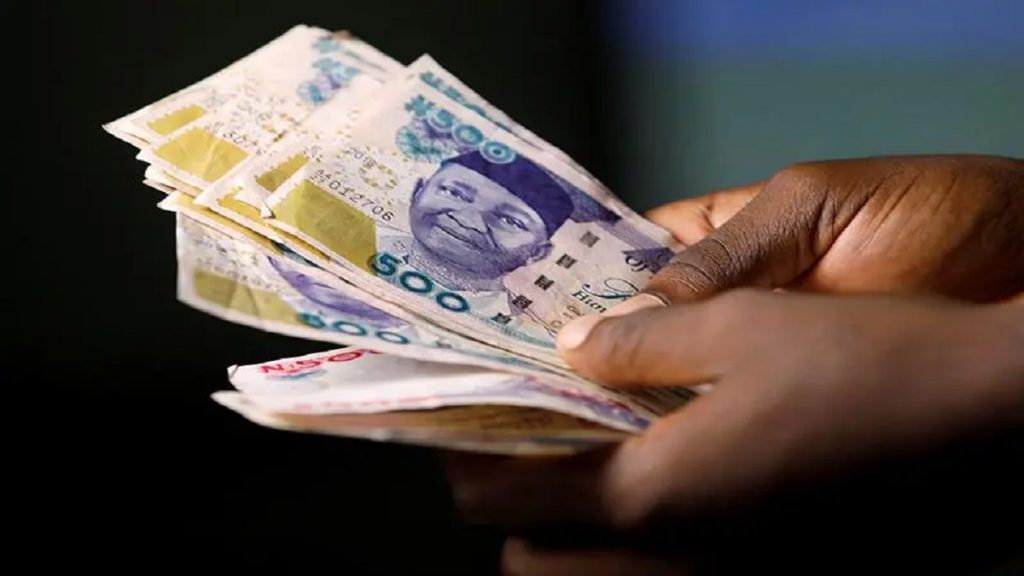
The Nigerian naira fell in value against the United States dollar at the official foreign‑exchange market, dropping by N14.85 on a week‑on‑week basis. According to data from the Central Bank of Nigeria, the naira closed at N1,436.58 per dollar on Friday, 7 November, down from N1,421.73 on 31 October 2025, a depreciation of 1.04 percent. The decline was most pronounced on Monday, after United States President Donald Trump threatened military action in response to reported killings of Christians in Nigeria.
In contrast, the black‑market rate showed a significant gain, rising to N1,445 from N1,485 on 31 October 2025. Throughout the week, the foreign‑exchange market displayed mixed sentiments, while Nigeria’s foreign reserves continued to increase, reaching $43.32 billion as of 6 November 2025. This rise is noteworthy given the country’s efforts to stabilise its economy and manage its foreign‑exchange reserves.
The naira’s performance is closely monitored by investors, policymakers and other stakeholders because it influences trade, inflation and overall economic growth. The Central Bank of Nigeria has been working to maintain a stable exchange rate while managing reserves to ensure economic stability. The recent growth in foreign reserves is seen as a positive development, providing a buffer against external shocks and supporting the country’s ability to meet its international obligations.
Nevertheless, the naira’s depreciation at the official market underscores the need for continued efforts to stabilise the currency and promote growth. In the coming weeks, market watchers will track the naira’s performance and the Central Bank’s policy decisions to gauge their impact on the economy. The currency’s ability to recover will depend on Nigeria’s economic fundamentals, global market trends and policy interventions.



Comments are closed for this story.