
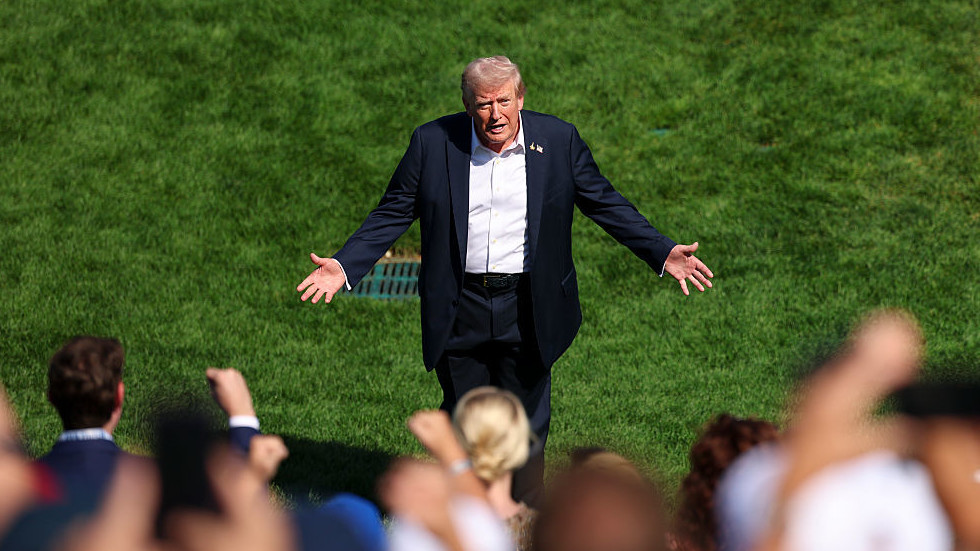
The United States faces a potential $2 trillion payout to foreign partners if the Supreme Court rules against President Donald Trump’s use of emergency powers to impose tariffs. Trump introduced the tariffs in April, citing unfair trade imbalances and invoking the 1977 International Emergency Economic Powers Act (IEEPA) as his authority. IEEPA permits the president to regulate international trade and financial transactions during a declared national emergency involving foreign threats.
Lawmakers have criticized the tariffs, warning they could damage the domestic economy. In a recent ruling, the U.S. Court of Appeals found that Trump exceeded his authority by imposing tariffs under IEEPA, stating that only Congress can authorize such measures. The court did not cancel the duties while the case awaits a Supreme Court decision.
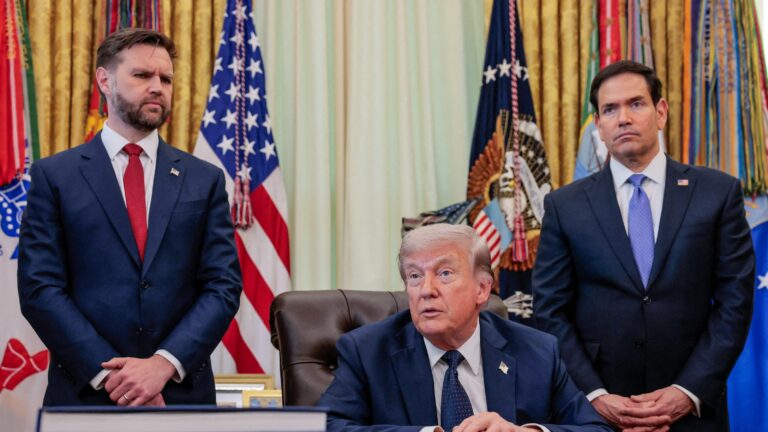
Trump warned of dire consequences if the Supreme Court rules against him, claiming the United States would have to repay over $2 trillion in tariff revenue and investments—a “national security catastrophe.” He offered no explanation for the $2 trillion figure, which far exceeds the roughly $100 billion in revenue generated by the tariffs so far, according to U.S. Trade Representative Jamieson Greer.
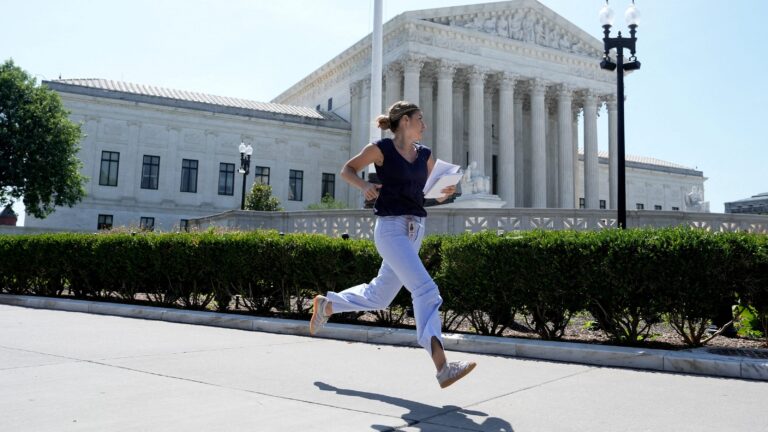
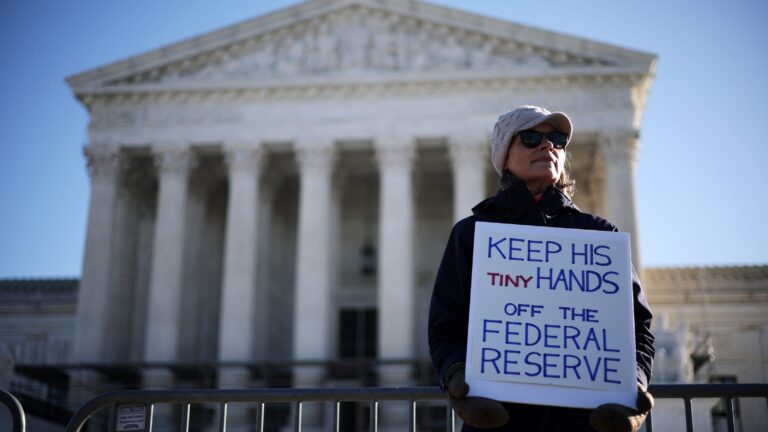
During recent oral arguments, Supreme Court justices questioned Trump’s authority to impose tariffs under IEEPA. While the act grants the president broad powers to freeze assets, impose sanctions, and restrict commerce, it does not explicitly mention tariffs. Some justices noted that the law allows the president to regulate imports “by means of licenses or otherwise,” which could be economically comparable to tariffs.
The Court’s decision, expected by July 2026, is likely to have significant implications for U.S. trade policy. If the justices rule against Trump, the refunding of importers could become a complex process, as cautioned by Justice Amy Coney Barrett. The outcome will be closely watched by international trade partners and is expected to carry substantial economic and political consequences for the United States.

Comments are closed for this story.