
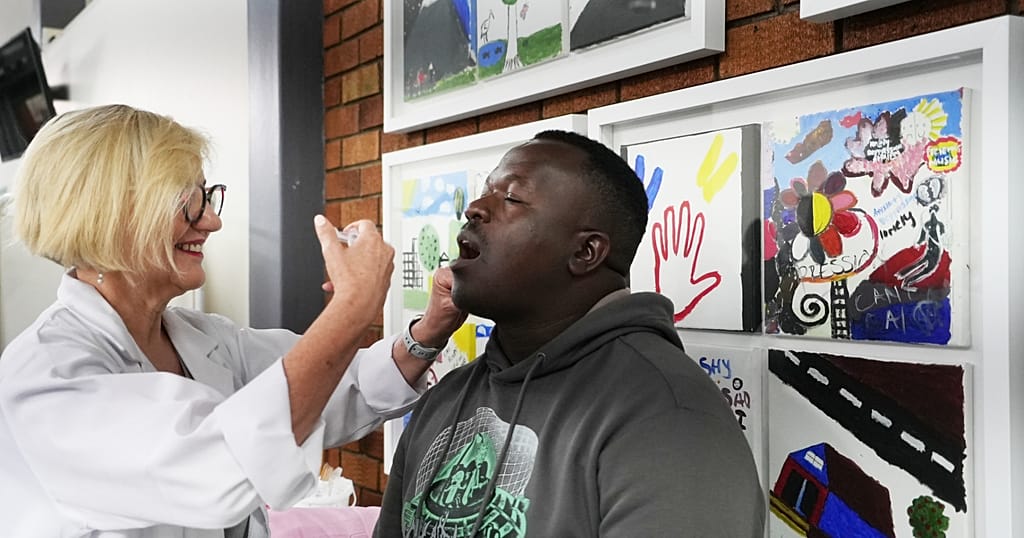
Researchers and scientists in South Africa have launched clinical trials for the country’s first domestically manufactured vaccine in more than 50 years. The oral cholera vaccine, developed by Cape Town‑based pharmaceutical firm Biovac, is currently being tested for safety in adults. Subsequent trials will compare its efficacy with existing cholera vaccines on the market.
The South African government has hailed the trials as a significant milestone for Africa’s ability to produce vaccines independently. Traditionally, vaccines manufactured in South Africa have relied on active pharmaceutical ingredients imported from abroad. If successful, this vaccine could enable the country to support global distribution and help combat cholera outbreaks worldwide. Professor Glenda Gray, chief scientific officer at the South African Medical Research Council, said, “If our vaccine works, we’ll be the second producer of the oral cholera vaccine at a global level, and we can help support global distribution and help support places where there are outbreaks.”
Health Minister Aaron Motsoaledi indicated that, depending on trial results, the vaccine could be approved and ready for use in Africa by 2028. Cholera outbreaks are a recurring problem in South Africa, often linked to cross‑border movements and a lack of clean water. In 2023 the country experienced an outbreak that caused 47 deaths and more than 1,400 reported cases, while neighboring Malawi, Mozambique and Zimbabwe reported even higher numbers. The World Health Organization estimates that up to four million people worldwide are affected by cholera each year, with between 21,000 and 143,000 deaths.
The development of a domestically manufactured vaccine could markedly enhance Africa’s self‑reliance in vaccine production and strengthen its capacity to respond to potential outbreaks. One trial participant, 37‑year‑old Shadrack Makutu from Limpopo province, emphasized the broader impact, saying, “Being part of this study group is not going to benefit me only, it’s going to benefit each and everyone around the African continent.” Successful development and distribution of the vaccine could therefore have a substantial impact on public health in Africa and beyond.



Comments are closed for this story.