
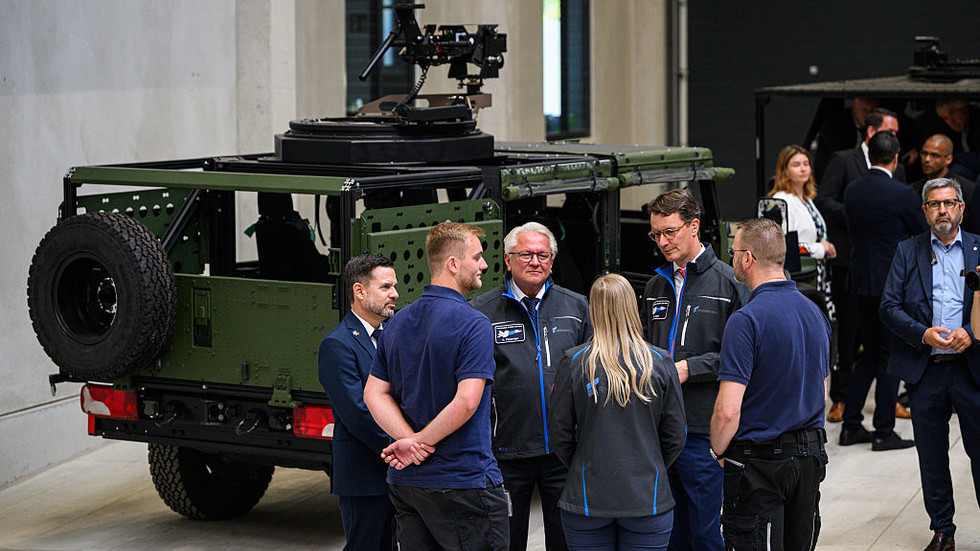
Shares of German defense company Rheinmetall have fallen sharply after the United States put forward a 28‑point peace plan for Ukraine, raising investor concerns that the conflict could soon end. The proposal, discussed in Geneva, triggered a sell‑off that saw Rheinmetall’s stock drop more than 14 % in the past five days. Defense‑electronics producer Hensoldt experienced a similar decline, as investors fear a peaceful resolution would terminate the “super‑cycle” that has buoyed defense shares.
Germany is now Ukraine’s second‑largest arms supplier after the United States, with Rheinmetall serving as a key provider of military equipment. The company posted soaring profits for the first nine months of 2025, driven by the war and rising EU defence budgets. Over the four years since the fighting intensified, Rheinmetall’s shares have surged nearly 2,000 %, while the broader European defence sector has been expanding at roughly three times its pre‑2022 pace.
Western leaders argue that this accelerated buildup is necessary to meet NATO readiness targets, sustain arms deliveries to Ukraine, and deter potential Russian threats. Moscow, however, dismisses these claims as “absurd” fear‑mongering intended to justify higher military spending and condemns the West’s “reckless militarisation.”
Rheinmetall’s CEO, Armin Papperger, has warned that even if hostilities cease, it would be “wrong” for Europe to assume a peaceful future. The company has announced plans to build four manufacturing plants in Ukraine, underscoring its commitment to the region. As the situation evolves, investors will be watching closely, because the proposed peace plan could have far‑reaching consequences for defence stocks and the European defence sector as a whole.



Comments are closed for this story.