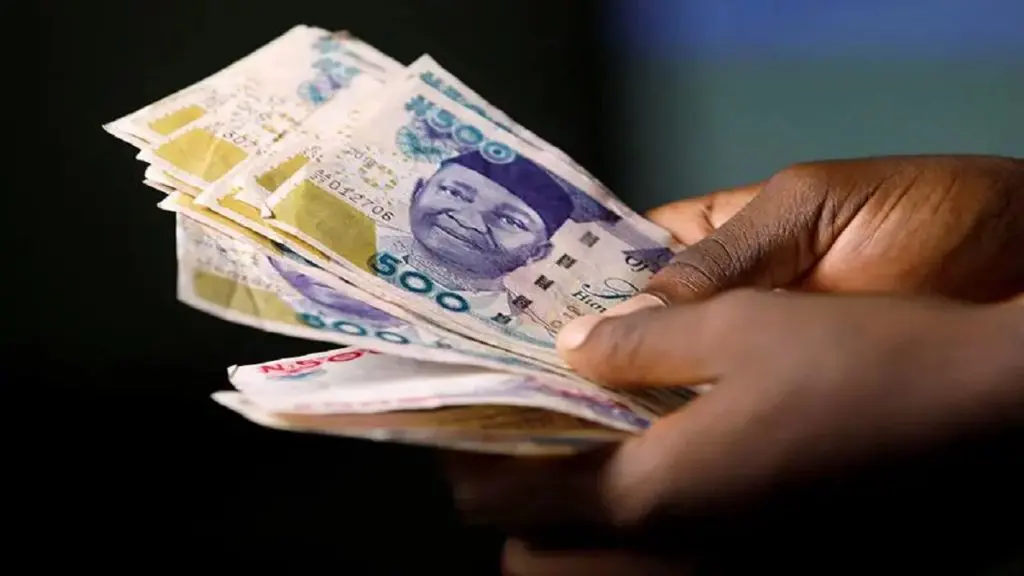
The Nigerian naira has recorded its first appreciation against the United States dollar since December 2, 2025, according to data from the Central Bank of Nigeria. On Friday the naira strengthened to N1,454.4123 per dollar, up from N1,456.0656 on Thursday, a gain of N1.66 per dollar. This marks a reversal of the currency’s depreciation trend over the past eleven days, during which it had lost N9 in value.
The appreciation is a notable shift in a foreign‑exchange market where the naira has been under pressure in recent weeks. Nevertheless, the currency remains relatively weak, with a large gap between the official rate and the black‑market rate. In the black market, the naira was unchanged at N1,490 per dollar on Friday—the same level it has held since Monday, according to bureau‑de‑change operators in Abuja.
The improvement comes as Nigeria’s foreign reserves have risen to $45.44 billion as of December 11, 2025, up from $44.91 billion on December 2. This growth may have contributed to the naira’s appreciation, since a stronger reserve position can boost investor confidence and support the currency.
The naira’s performance is closely watched by investors and economists because it has a significant impact on the country’s economy. A stable and strong currency can attract foreign investment, boost trade, and reduce inflation. However, recent volatility has raised concerns about Nigeria’s economic stability and its ability to manage the currency effectively.
The Central Bank of Nigeria has been working to stabilize the naira and improve the foreign‑exchange market. It has implemented various measures, including tightening monetary policy and introducing new foreign‑exchange regulations, to support the currency and attract foreign investment. As the naira continues to fluctuate, investors and economists will closely monitor its performance and the impact of the central bank’s policies on its value.