
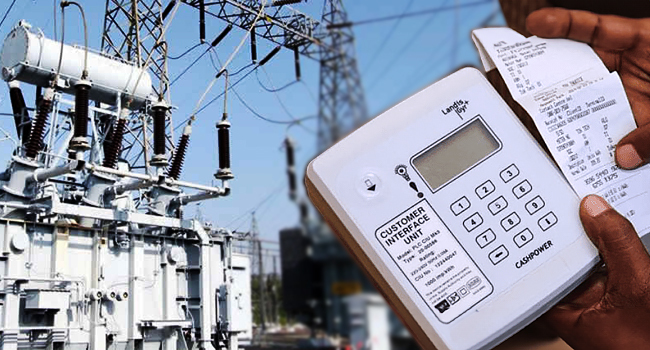
Nigeria’s electricity distribution companies (DisCos) recorded notable operational gains in the third quarter of 2025. According to the Nigerian Electricity Regulatory Commission (NERC), tariff collection efficiency rose to 80.7 percent, a 4.63‑point increase from the previous quarter. This improvement signals gradual progress in revenue recovery, despite the challenges posed by non‑cost‑reflective tariffs.
The NERC report highlights that government subsidies remain a crucial component of the electricity value chain, accounting for 58.63 percent of total Generation Companies’ (GenCos) invoices in the third quarter. The Federal Government paid ₦458.75 billion in electricity subsidies during this period, representing a 10.81 percent reduction from the previous quarter. The decrease was driven by a decline in energy offtake by DisCos and a drop in actual generation cost per kilowatt‑hour.
Utility companies collected ₦570.21 billion out of the ₦706.61 billion billed to customers between July and September, resulting in a collection efficiency of 80.7 percent. Billing efficiency also improved to 82.69 percent, up 1.08 percentage points from the previous quarter, although DisCos recorded cumulative billing losses of ₦147.92 billion. NERC attributes the continued subsidy burden to the freezing of certain end‑user tariffs at July 2024 levels, despite rising generation costs. The commission emphasizes that prompt settlement of upstream market obligations is essential for sustaining generation and transmission capacity.
The report also identifies customer unwillingness to pay, service dissatisfaction, and inadequate metering as key drivers of under‑recovery across the sector. In terms of individual performance, some DisCos showed significant improvements. Ikeja Disco achieved the highest collection efficiency at 100 percent, while Eko, Benin, and Abuja posted efficiencies above 80 percent. Conversely, Kaduna Disco recorded the lowest collection efficiency at 45.67 percent.
Overall, the NERC report provides insight into the operational performance of Nigeria’s electricity distribution companies, highlighting both challenges and progress. As the government continues to work toward improving electricity supply and revenue collection, these findings will be crucial for informing policy decisions and driving growth in the industry.



Comments are closed for this story.