
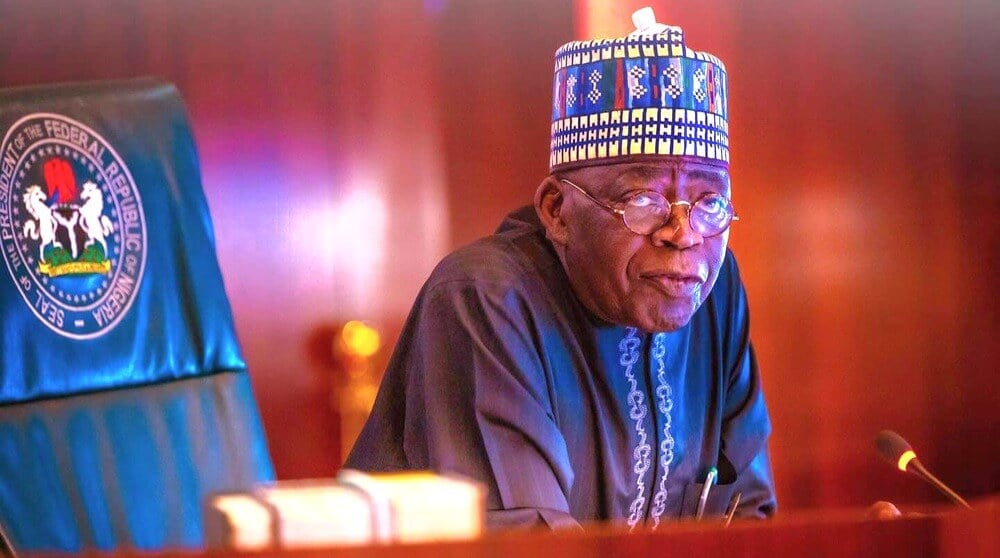
President Bola Tinubu spent 23 days on official foreign trips during January 2026, a period that began with his departure from Nigeria on December 28, 2025, sparking a national debate over presidential priorities amid severe domestic economic and security challenges.
The itinerary included a nine-day End-of-Year break in France, followed by a seven-day attendance at the Abu Dhabi Sustainable Week 2026 in the United Arab Emirates. The President concluded the month with a six-day state visit to Turkey before returning to Nigeria. The Presidency has framed these engagements as essential for economic diplomacy, attracting investment, and securing strategic partnerships in areas like energy, security, and trade.
Critics, however, argue the extended absence is indefensible given the country’s pressing crises. Former Labour Party presidential candidate Peter Obi highlighted the 23 foreign trip days in January as a critical early indicator of the administration’s focus, stating the nation’s situation continues to worsen. Several citizens echoed this concern, questioning the tangible outcomes of such frequent travel. Divine Akor described the trips as “glorified excursions” without verifiable results, asking where the promised investments, job creation, or inflation reduction are. Michael Ameh contended that leadership during a crisis requires presence and empathy at home, not prolonged absence for “personal comfort abroad.”
Supporters of the President’s diplomatic outreach counter that face-to-face international engagement is a fundamental presidential function. Abdulkadir Hassan noted that the Abu Dhabi trip targeted renewable energy investment and sustainability partnerships, while the Turkey visit yielded specific agreements on defence cooperation, trade committees, and diaspora policy. He asserted these visits are imperative for strengthening Nigeria’s economic and security bilateral ties. Augustine Oyiwona offered a conditional perspective, acknowledging that foreign trips can be justified if they yield clear, measurable benefits for the populace.
The discourse underscores a fundamental tension in governance: the perceived need for high-level global diplomacy versus the urgent demand for visible domestic action. With Nigeria grappling with high inflation, food insecurity, and persistent security concerns, the cost and duration of presidential foreign travel have become a poignant metric for public assessment of leadership prioritisation. The debate is likely to persist as Nigerians await concrete signs that international engagements translate into alleviation of hardship at home.


Comments are closed for this story.