
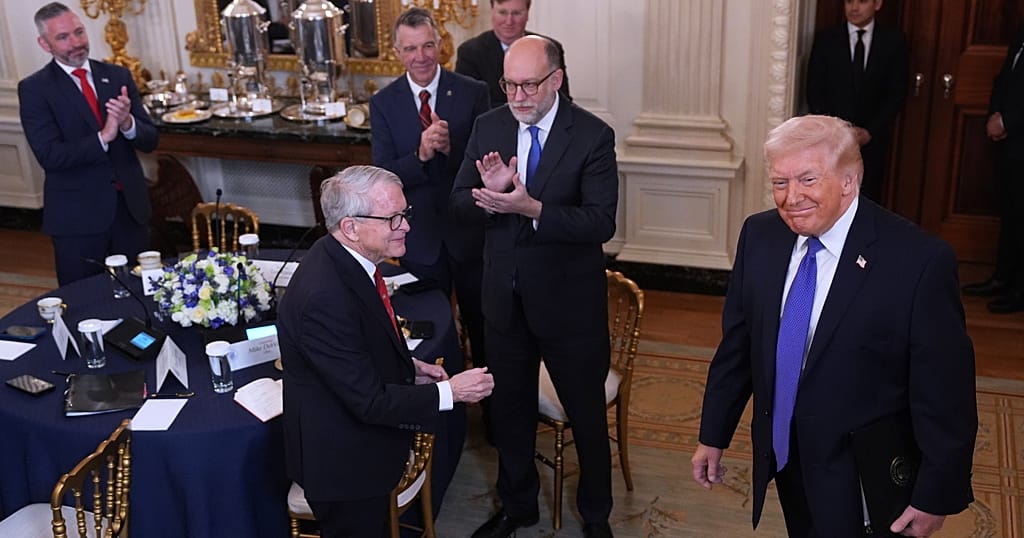
President Donald Trump has imposed a new 10 percent tariff on most imports into the United States, effective February 24 for 150 days. This action follows a decisive Supreme Court ruling that severely limited his authority to impose unilateral tariffs under the International Emergency Economic Powers Act (IEEPA).
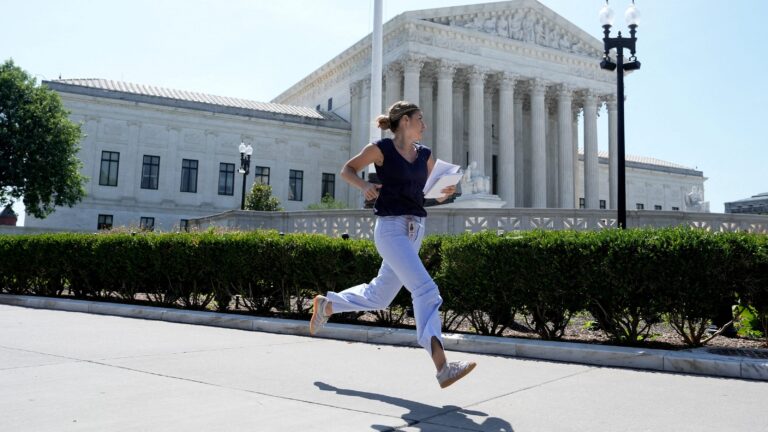
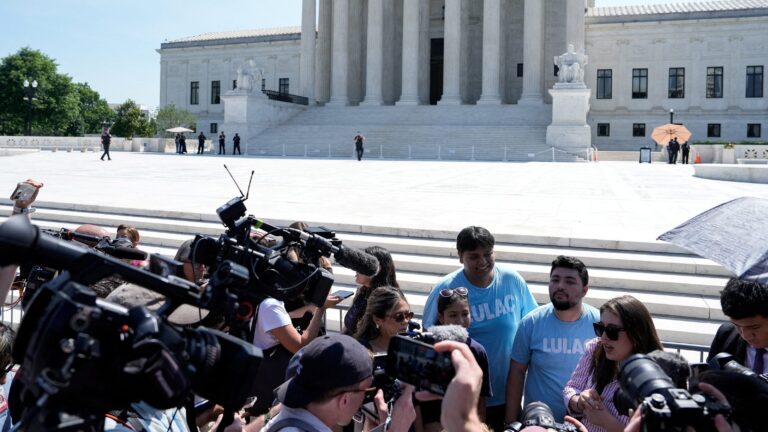
In a 6-3 decision on Friday, the conservative-majority court held that IEEPA does not authorize the president to impose tariffs, dismissing the legal basis for many of Trump’s previous country-specific duties. Chief Justice John Roberts wrote that if Congress had intended to grant such “extraordinary power,” it would have done so expressly, as it has in other tariff statutes. The ruling marks the largest judicial defeat for Trump since his return to office and curtails a key instrument of his trade policy.
The new universal 10 percent duty will apply even to nations that previously negotiated higher, country-specific rates with the administration. According to a White House factsheet, exemptions remain for goods covered by the US-Mexico-Canada Agreement and for sectors like pharmaceuticals currently under separate investigations. A White House official indicated the administration may later seek to implement “more appropriate or pre-negotiated tariff rates.”
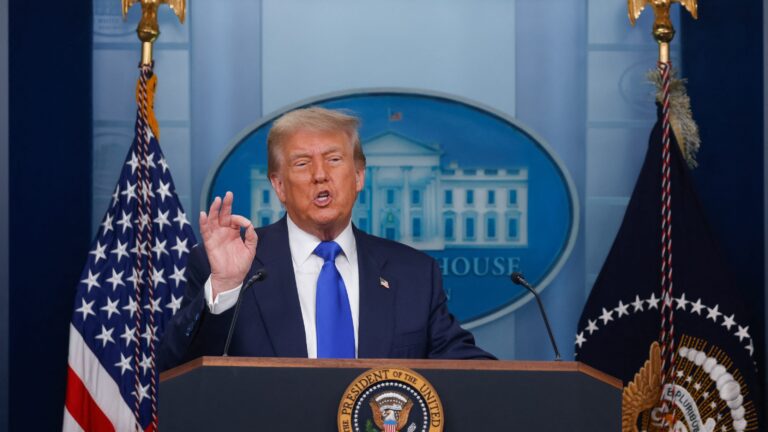
Trump, who nominated two of the justices in the majority, criticized the court, claiming without evidence that foreign interests influenced the decision. He asserted the ruling actually left him “more powerful” and stated a president “can actually charge more tariffs.” Treasury Secretary Scott Bessent projected the new approach would yield “virtually unchanged tariff revenue in 2026.”
The ruling does not affect separate sector-specific tariffs on steel, aluminum, and other goods imposed under different legal authorities. Ongoing investigations could still lead to additional sectoral duties.
The decision generates significant uncertainty regarding the potential refund of billions in tariffs already collected. While the administration had argued refunds would be provided if tariffs were invalidated, the court’s order did not address the issue. Trump predicted years of litigation on refunds. Justice Brett Kavanaugh, a Trump appointee who sided with the administration, described the refund process as potentially a “mess.” The Penn Wharton Budget Model estimates refunds could reach $175 billion. Democratic lawmakers, including Senator Elizabeth Warren and California Governor Gavin Newsom, have demanded immediate repayment with interest, though legal mechanisms for consumer and small business recoupment remain unclear.
The Budget Lab at Yale University estimates the new 10 percent universal baseline will result in an average effective tariff rate of 9.1 percent, down from 16.9 percent before the ruling, but still the highest since 1946, excluding 2025. International trading partners, including the European Union, Britain, and Canada, are reviewing the decision. Canada, a frequent target of Trump’s tariff threats, noted the court found the levies “unjustified,” though a business leader warned of potential new, broader trade pressure mechanisms.
The ruling introduces a new phase in US trade relations, insisting on a return to more conventional tariff-setting while leaving the door open for future sector-specific actions. Market reaction was muted, with Wall Street indexes rising modestly. Business groups, such as the National Retail Federation, welcomed the decision for providing “much-needed certainty,” though the persistent high tariff environment continues to reshape supply chain and cost calculations for importers and consumers globally.

Comments are closed for this story.