
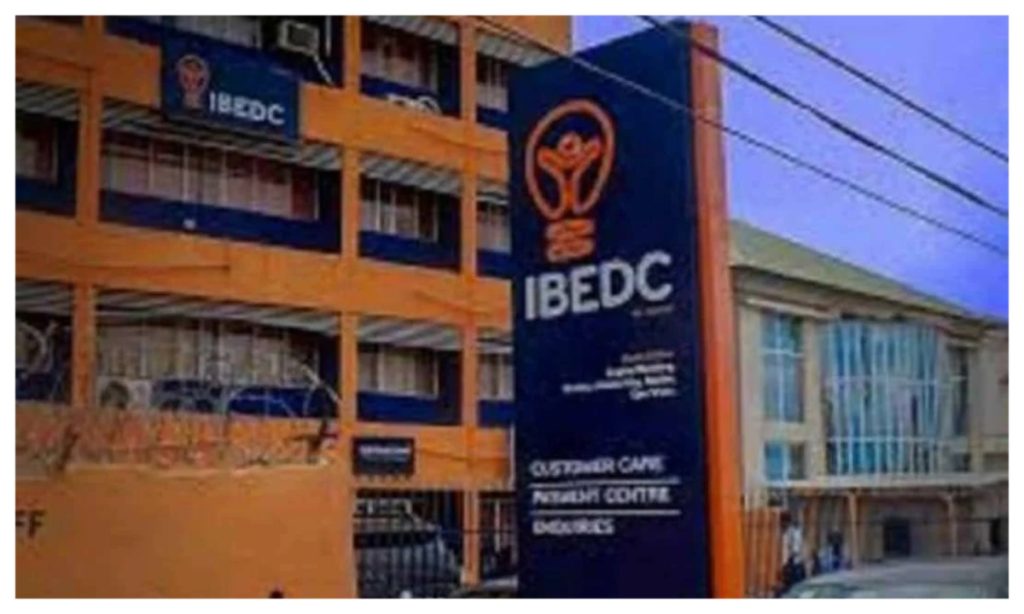
The Ibadan Electricity Distribution Company (IBEDC) is receiving only 50% of its required power supply from the Transmission Company of Nigeria (TCN), a shortfall the new management says is severely impacting its service delivery.
Tunde Afolabi, the newly appointed Chairman of IBEDC’s Board of Directors, made the disclosure during a press conference in Ibadan, Oyo State, on Tuesday. He identified the massive supply deficit from the national grid as the company’s primary operational challenge. “One of our biggest problems is that what we get, we are getting just 50 per cent of power demand. We can only give what we get,” Afolabi stated.
To address this, the board has resolved to bypass the grid for a portion of its supply by purchasing electricity directly from power generation companies (GenCos). This strategy aims to stabilize distribution within IBEDC’s coverage areas in Oyo, Ogun, Osun, Kwara, and parts of Ekiti states. Additionally, Afolabi announced plans to rehabilitate and reactivate dormant power plants located within IBEDC’s jurisdiction, citing redundancy as a critical issue. “We have some power plants in this area that are not in use. We will bring them back,” he said, referencing the frequent national grid collapses that force distribution companies to shut down.
This situation reflects the persistent fragility of Nigeria’s electricity ecosystem, where insufficient generation, transmission bottlenecks, and infrastructure decay regularly disrupt supply. For IBEDC’s customers, the 50% allocation translates to chronic, unpredictable outages despite payment for services.
The board’s dual-track approach—securing direct power purchase agreements and reviving local generation—signals a shift toward localized solutions. If implemented, these measures could marginally improve supply for consumers within IBEDC’s franchise, though their success depends on negotiations with GenCos and the technical feasibility of restoring old plants. The move underscores the ongoing pressure on distribution companies to innovate amid systemic national grid constraints.



Comments are closed for this story.