
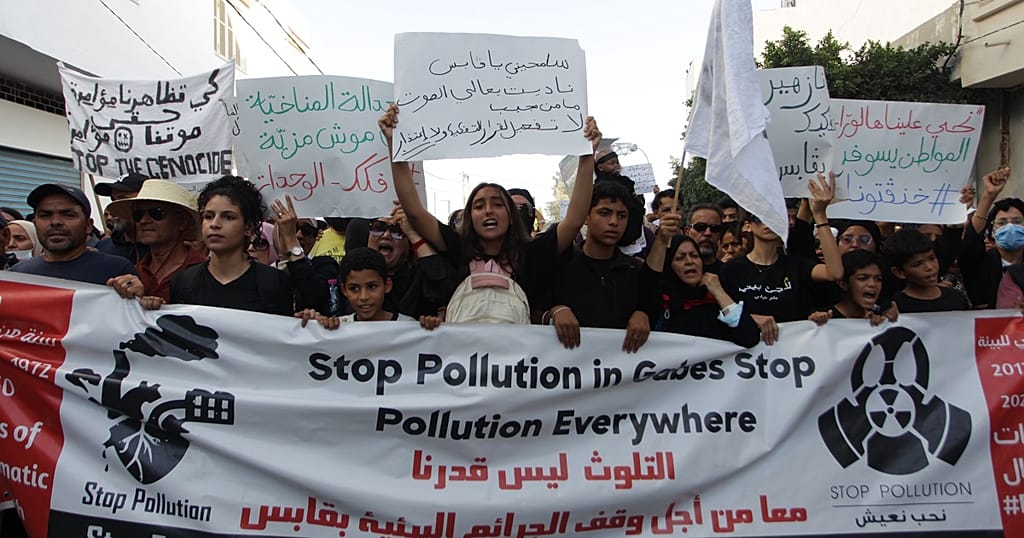
A Tunisian court has rejected a legal bid to suspend operations at a major fertiliser plant in Gabes, a decision that intensifies a long-standing conflict between public health concerns and economic priorities in the coastal city.
The ruling, issued on Thursday, found that the petition filed by the local bar association lacked “sufficient proof of harm.” Mounir Adouni, head of the Gabes Bar Association, stated the court determined the pollution allegations were not backed by adequate “technical and scientific evidence.” The association has announced it will file an appeal, though no timeline for a final judgment has been set.
The legal challenge follows years of resident protests linking the phosphate-processing facility to deteriorating health conditions in Gabes. An audit by the African Development Bank (AfDB) in July 2023 reported “major non-compliance” with air and marine pollution standards at the site, which emits sulphur gases, nitrogen, and fluorine compounds. Thousands demonstrated in October over these issues, and this month, 12 activists from the environmental group Stop Pollution were sentenced to one year in prison for their role in a 2020 protest.
Despite a 2017 government promise to gradually phase out the plant, authorities are now pursuing a significant expansion. The goal is to quadruple fertiliser production by 2030 to exploit high global prices, with President Kais Saied describing the facility as a “pillar of the national economy.” This economic push is supported by the AfDB, which last month approved $110 million in financing for what it terms “environmental upgrading” of the factory.
The court’s decision underscores the complex balance Tunisia faces. While community groups and some experts point to documented pollution and health grievances, the state prioritises the plant’s role in generating revenue and foreign currency. The upcoming appeal will keep the legal and environmental debate centred on Gabes, a city that has become a focal point for the wider struggle between industrial development and public health in Tunisia. The outcome will have significant implications for the plant’s future and the government’s environmental commitments.




Comments are closed for this story.