
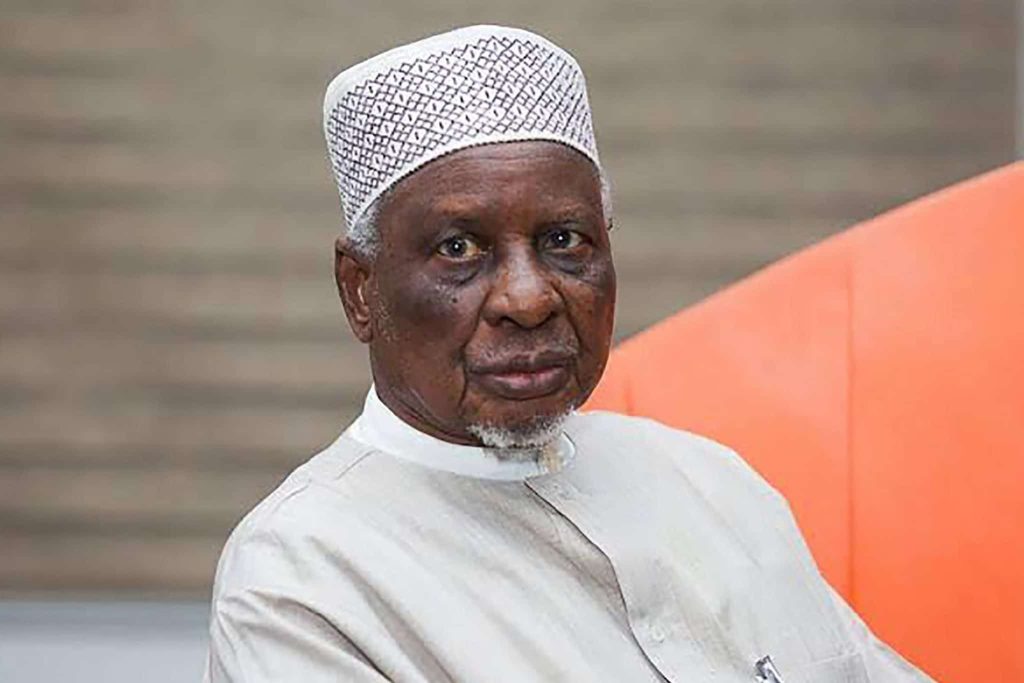
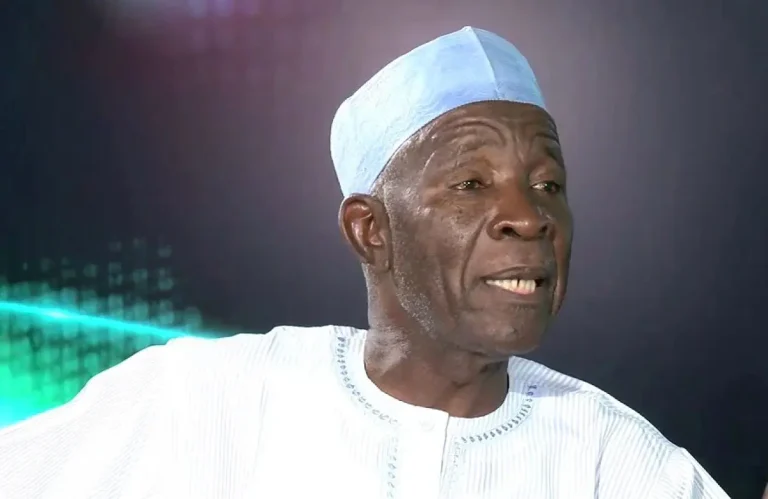
Umar Tanko Yakasai, a prominent chieftain of Nigeria’s ruling All Progressive Congress (APC), has called on President Bola Tinubu’s appointees to foster national inclusion and unity as they discharge their duties. The appeal was made following an Iftar gathering in Abuja on Monday, an event marking the evening meal during the Muslim holy month of Ramadan.
Yakasai, who serves concurrently as Director General of the Tinubu Support Group (TSG), stressed that government appointees must act as a “shining light” to Nigerians. He urged them to proactively involve members of various support groups in the distribution of patronage, framing this as essential to rewarding party loyalty and bolstering the president’s initiatives.
“Few of us that got appointed should do everything humanly possible to carry as many members of the support groups as they can along in order to distribute patronage and support one another as well as the president’s efforts to reward party faithfuls,” Yakasai stated.
In a broader appeal to the public, he admonished Nigerians to rally behind the current administration and reject tribalism and religious bias. His comments underscore ongoing efforts by the Tinubu government to consolidate political support amid Nigeria’s complex ethnic and religious landscape.
The remarks come immediately after President Tinubu swore in Taiwo Oyedele as the Minister of State for Finance on Monday. Yakasai’s focus on patronage distribution and inclusivity highlights the delicate balance the administration seeks between rewarding political allies and addressing widespread expectations for equitable governance.
Analysts note that such calls from influential party figures reflect the administration’s sensitivity to criticism over perceived exclusion and the need to maintain cohesion within its diverse political coalition. The emphasis on avoiding sectarianism speaks to persistent national challenges regarding identity politics and equitable resource allocation.
Yakasai’s dual role as a senior party chieftain and head of a key presidential support group amplifies the significance of his message. It signals an internal directive for appointees to prioritize broad-based engagement as the government navigates economic reforms and seeks to strengthen public trust.
The timing, linked to a religious event and a new ministerial appointment, suggests a strategic effort to align governance with both spiritual and political community-building. Moving forward, the administration’s ability to translate these calls into tangible, inclusive policies will be closely watched by both supporters and a citizenry grappling with economic hardship.
Comments are closed for this story.