
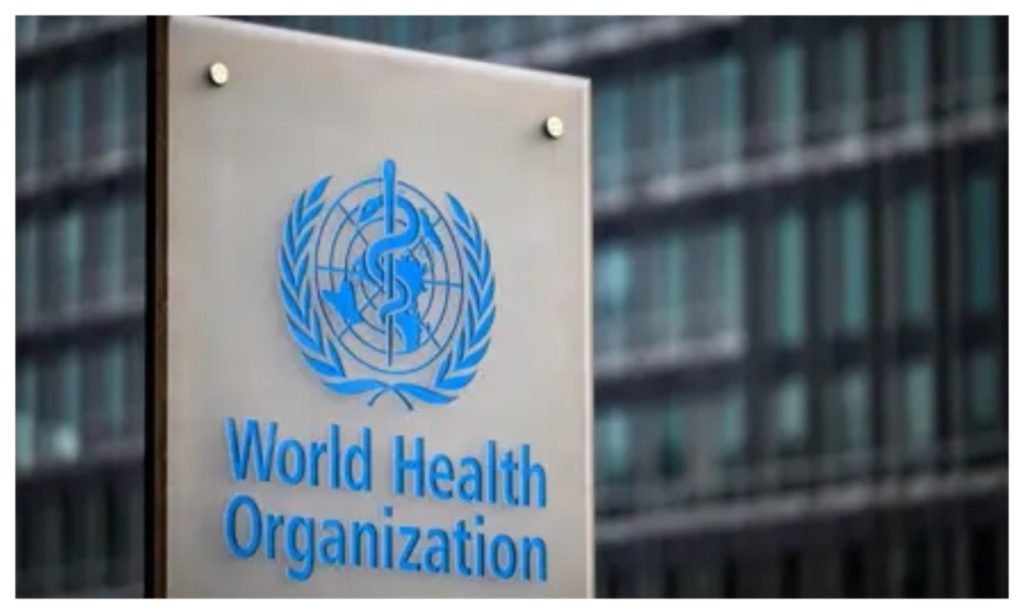
WHO Warns of Tuberculosis Funding Shortfall in Nigeria’s Niger State
The World Health Organization (WHO) has cautioned that Niger State, Nigeria, could face a severe disruption to its tuberculosis (TB) control efforts by June 2025, unless urgent financial commitments are made by the state government.
Speaking in Minna to commemorate World Tuberculosis Day, Dr. Hananiya Dauda, WHO National Professional Officer for TB in the North Central Zone, stated that only 8 percent of the anticipated 18 percent state funding requirement for TB commodities has been accessed. Without the release of these funds, a critical shortage of diagnostic tools and anti-TB drugs is anticipated. “Failure to provide the necessary funds may lead to a major gap in testing and treatment services across the state by June,” Dr. Dauda warned.
The warning highlights a growing financial vulnerability in the state’s TB response. Niger State Commissioner for Health, Dr. Murtala Bagana, represented by Permanent Secretary Dr. Abdullahi Usman, identified a decline in international donor support since 2025 as a key challenge threatening Nigeria’s progress toward the global goal of ending TB by 2030. Despite this, he assured that the state government remains committed to strengthening its TB and Leprosy Control Programme.
Recent state data underscores both progress made and the scale of the ongoing challenge. In 2025, Niger State reported 127,410 presumptive TB cases. Of these, 126,228 were tested, leading to 14,908 confirmed cases. Treatment success was reported for 8,629 patients using advanced diagnostics including GeneXpert, Truenat, T-LAMP, and PDX machines.
Meanwhile, Dr. Ibrahim Idris, Director of Public Health, noted a separate concern: low uptake of the Bacillus Calmette-Guérin (BCG) vaccine among newborns. He stressed that improving immunization coverage is essential to prevent future TB cases, as BCG remains a primary preventive tool, especially in high-burden settings.
The confluence of a potential commodity shortage, waning donor support, and preventable gaps in vaccination presents a complex hurdle.Health officials emphasize that sustained domestic funding and comprehensive public health measures are critical to maintaining treatment momentum and safeguarding the state’s TB elimination trajectory by the 2030 deadline. The state government’s response in the coming weeks is expected to determine whether a significant reversal in TB control can be averted.

Comments are closed for this story.