

Nigeria’s headline inflation rate rose to 15.38% in March 2026, up from 15.06% in February, according to the latest data from the National Bureau of Statistics (NBS). This increase has been attributed to ongoing rises in food prices, transportation costs, and energy tariffs. Food inflation, which significantly impacts household expenditure, has continued to climb due to supply chain disruptions, insecurity in agricultural regions, and rising input costs for farmers.
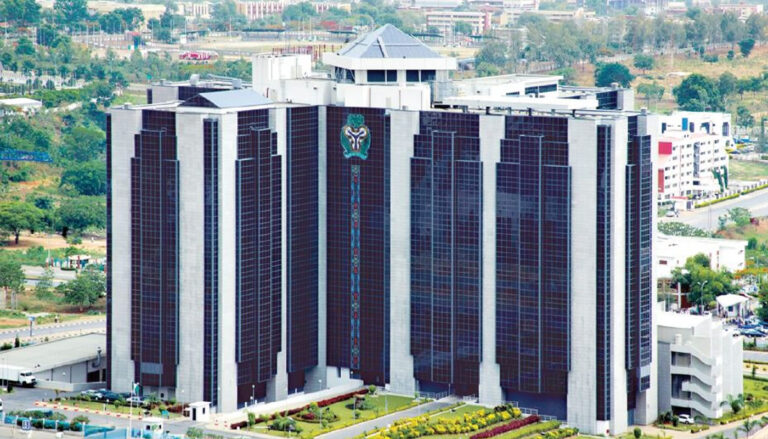
In addition to food inflation, non-food inflation has also played a role in the overall increase, with housing, utilities, and transportation expenses remaining high. The Central Bank of Nigeria (CBN) has responded by maintaining a tight monetary policy stance, raising interest rates multiple times to combat inflationary pressures. However, the effectiveness of these measures has been limited by structural challenges such as currency depreciation and fiscal deficits.
Analysts indicate that the inflationary trend may persist in the near term, especially if global commodity prices remain volatile and domestic production constraints continue. The government has announced plans to enhance local food production and improve infrastructure to tackle some of the underlying causes of inflation, but the timelines for implementation remain uncertain.
The rising cost of living has further strained Nigerian households, many of whom are struggling to afford basic necessities. As consumer purchasing power diminishes and businesses face increased operational costs, economic growth prospects may be adversely affected. The NBS report emphasizes the necessity for coordinated policy interventions to stabilize prices and support economic recovery. Policymakers are expected to closely monitor inflation trends and adjust strategies as needed to mitigate the impact on citizens and businesses. This situation highlights the ongoing economic challenges Nigeria faces as it seeks to balance growth, stability, and the well-being of its population.


Comments are closed for this story.