
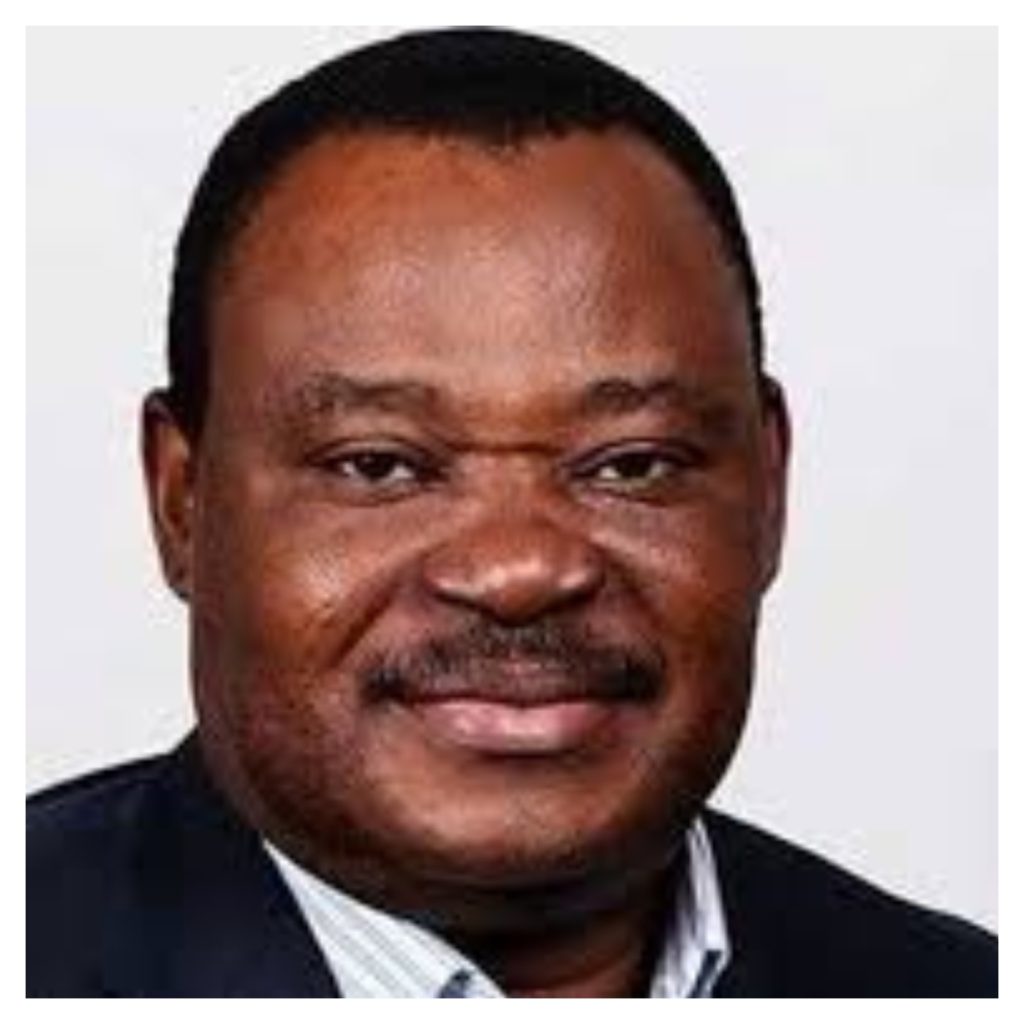
Nigeria’s Ambassador to the United Nations, Jimoh Ibrahim, has reaffirmed that President Bola Ahmed Tinubu’s administration will remain dedicated to its economic reforms, despite the current hardships faced by the nation. Speaking at a parliamentary session during the ongoing IMF/World Bank Spring Meetings in Washington, DC, Ibrahim emphasized that the long-term benefits of these reforms will outweigh the short-term difficulties. He acknowledged the immediate economic pain being experienced by Nigerians but insisted that these measures are essential for sustainable growth and national prosperity.
In addition to addressing domestic concerns, Ibrahim highlighted global economic issues, particularly the importance of maintaining stability in the Strait of Hormuz. He warned that no country can achieve significant economic development this year or in the future without securing peace amid ongoing tensions involving Iran. The ambassador pointed out that over 25 percent of the world’s seaborne oil, estimated at more than 20 million barrels per day, and about 20 percent of liquefied natural gas transit through this strategic corridor. He noted that major economies such as China, India, Japan, and South Korea would suffer severe consequences from any escalation in the region, leading to oil price volatility that complicates economic planning and exacerbates development challenges worldwide.
On the domestic front, Ibrahim reaffirmed the Federal Government’s commitment to sustaining its reform agenda, stressing the importance of legislative support in mitigating the effects on citizens. He called for stronger collaboration between the legislature and the executive to effectively address economic challenges. The envoy urged lawmakers globally to adopt cooperative frameworks similar to Nigeria’s parliamentary model under Senate President Godswill Akpabio, emphasizing that such synergy is vital for reducing poverty and alleviating economic hardship.
“President Bola Tinubu introduced reforms that will make Nigeria great. These policies may come with short-term pains, but they are indispensable for growth and economic development,” Ibrahim stated. He further emphasized that legislative action and planning must reflect current realities, with both law and strategy grounded in accurate situational diagnosis. Additionally, he called for enhanced international cooperation among parliamentarians, stressing that global peace is a prerequisite for sustainable development and effective economic planning.
At the conclusion of the session, Ibrahim bid farewell to his parliamentary colleagues, expressing gratitude for the relationships and networks he has built over the years. He announced that he would be stepping down from his parliamentary duties following his appointment by President Tinubu as Nigeria’s Ambassador Extraordinary and Plenipotentiary to the United Nations, marking a transition into a new phase of global diplomatic service.



Comments are closed for this story.