
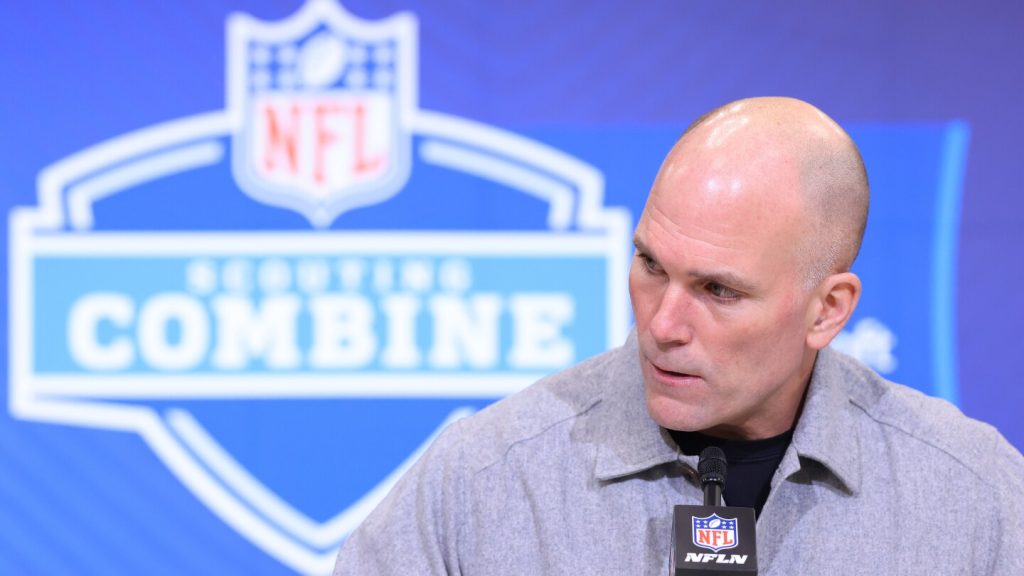
The landscape of college football is undergoing significant changes as players increasingly choose to delay their entry into the NFL, a trend that has raised concerns among team executives. For decades, top college football players typically left school after three years to join the NFL as soon as they became eligible. However, recent changes in NCAA policies have altered this trajectory. The NCAA now allows athletes to profit from name, image, and likeness (NIL) deals and has become more lenient in granting players additional years of eligibility. These changes have incentivized players to remain in college longer before turning professional.
Baltimore Ravens General Manager Eric DeCosta has expressed reservations about this development, noting that older players entering the NFL may have less potential for growth and could face increased injury risks due to extended college careers. While DeCosta pointed out that the average age of players in the draft has not significantly increased, there is a noticeable rise in the number of 24 and 25-year-old players. This shift, which began during the COVID-19 pandemic and has been reinforced by NIL opportunities, poses challenges for NFL teams. Older players are often perceived as less likely to be “three-contract players,” suggesting they may have shorter professional careers and potentially more accumulated injuries.
Under DeCosta’s leadership, the Ravens have observed a significant increase in the proportion of players over 24 years old on their draft board. This figure has risen from 4 percent to 18 percent in recent years, marking a substantial 14 percent increase. This trend is prompting teams to reassess their draft strategies and player evaluations. The evolving dynamics in college football, driven by NIL deals and extended eligibility, are reshaping the NFL draft landscape. As players gain more control over their careers and financial opportunities, teams must adapt to a new era where the traditional path from college to professional football is no longer as straightforward. This transformation underscores the broader changes occurring in college athletics, where athletes are increasingly viewed and treated as professionals.

Comments are closed for this story.