
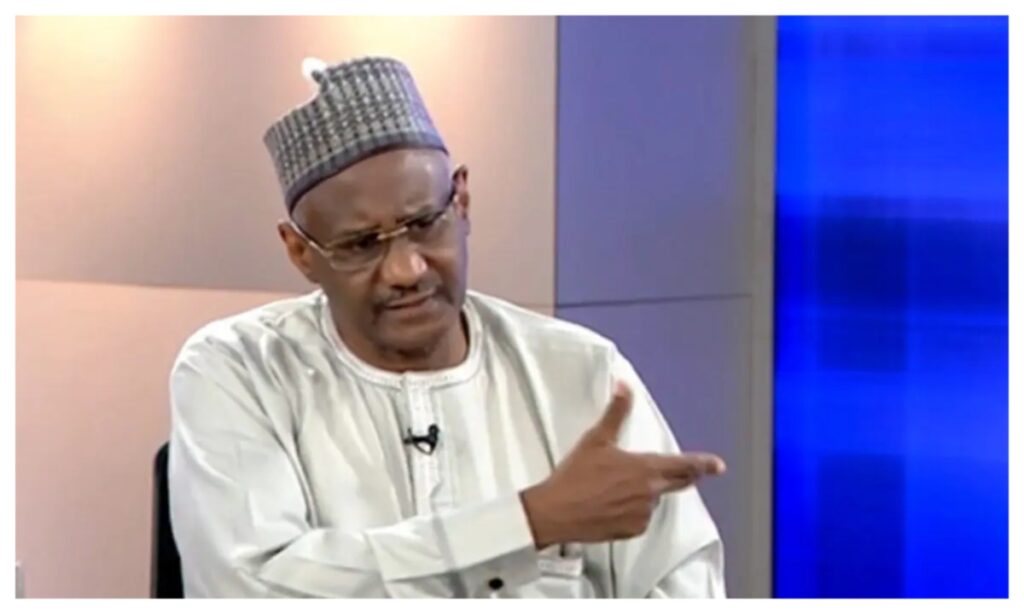
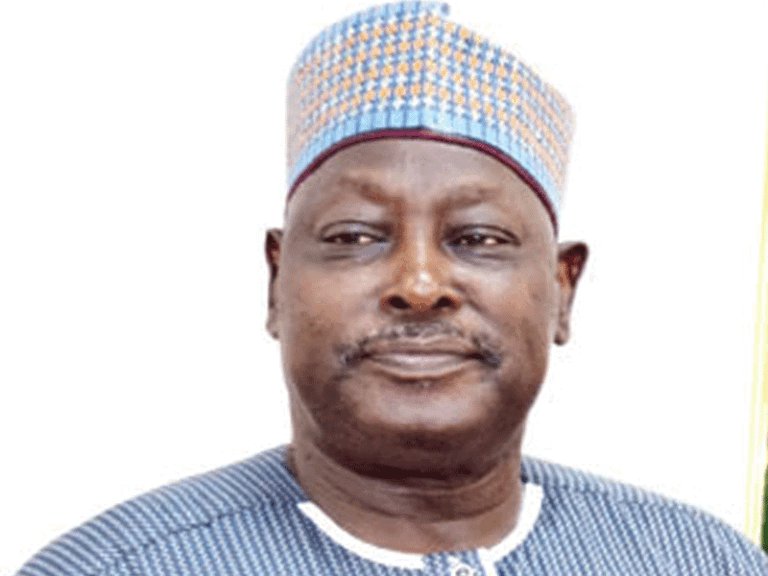
Former National Health Insurance Scheme chief executive Prof Usman Yusuf has accused former Anambra State governor Peter Obi of mistreating Northerners during Obi’s tenure, stating that the former governor expelled them from the state and required identity documentation from those who remained.
Speaking to Trust TV, Yusuf, who served as chief executive of the NHIS from 2015 to 2020, alleged that Obi ordered the removal of individuals from Nigeria’s northern region who were residing in Anambra. “He sent Northerners out of Anambra as governor,” Yusuf said, adding that those who stayed were compelled to obtain ID cards showing their names, origins and occupations.
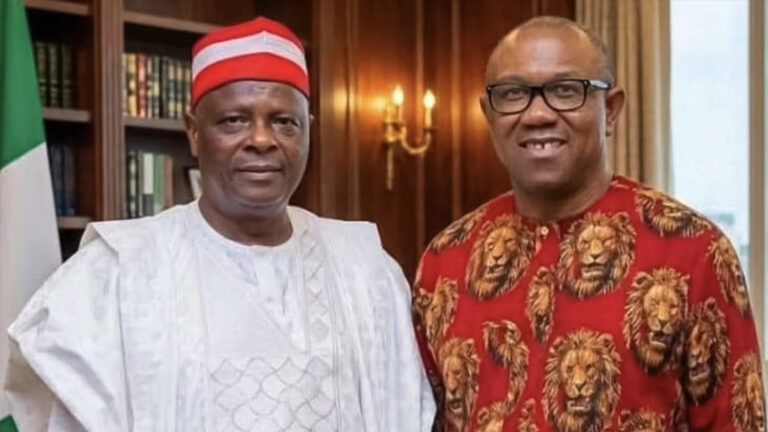
Yusuf linked the allegations to political maneuvering ahead of the 2023 presidential election, suggesting that former North‑central governor Rabiu Kwankwaso was being used to market Obi to northern voters. “Kwankwaso is the vehicle to sell Peter Obi to the North, but we have the record of what Peter Obi did to Northerners,” he asserted.
The former NHIS chief said the actions have left a lasting grievance among northern Muslims, who he claims will scrutinise Obi’s record as governor. “The evil that men do lives after them. I said this because we (Northern Muslims) are going to interrogate and question Peter Obi’s tenure when he was the governor of Anambra State,” Yusuf told the interview.
According to Yusuf, Obi’s requirement for identity cards forced Northerners to disclose personal details, a practice he described as unusual in the Nigerian context. “He even made them have an ID card, their names, where they are from and their occupations. In this Nigeria that we live, he will come and explain to us,” he said.
Yusuf also referenced a meeting between Kwankwaso and Obi in Awka, the Anambra capital, in which Kwashwaso reportedly cautioned his counterpart. “It is the same Kwankwaso that had to fly to Awka and sit with him and say, be careful. I have more Igbos in Kano living in peace than there are northerners throughout the South‑East,” Yusuf remarked.
The statements come as Nigeria’s 2023 presidential election results remain contested, with Obi’s campaign seeking broader support across the country’s diverse regions. Yusuf’s remarks add to a growing list of accusations aimed at the former governor, though no official investigations have been launched to verify the claims.
If substantiated, the allegations could influence public perception of Obi’s leadership record and affect political calculations in upcoming elections. Stakeholders, including electoral bodies and civil society groups, may seek further clarification or evidence regarding the purported expulsions and ID‑card requirements.
Comments are closed for this story.