
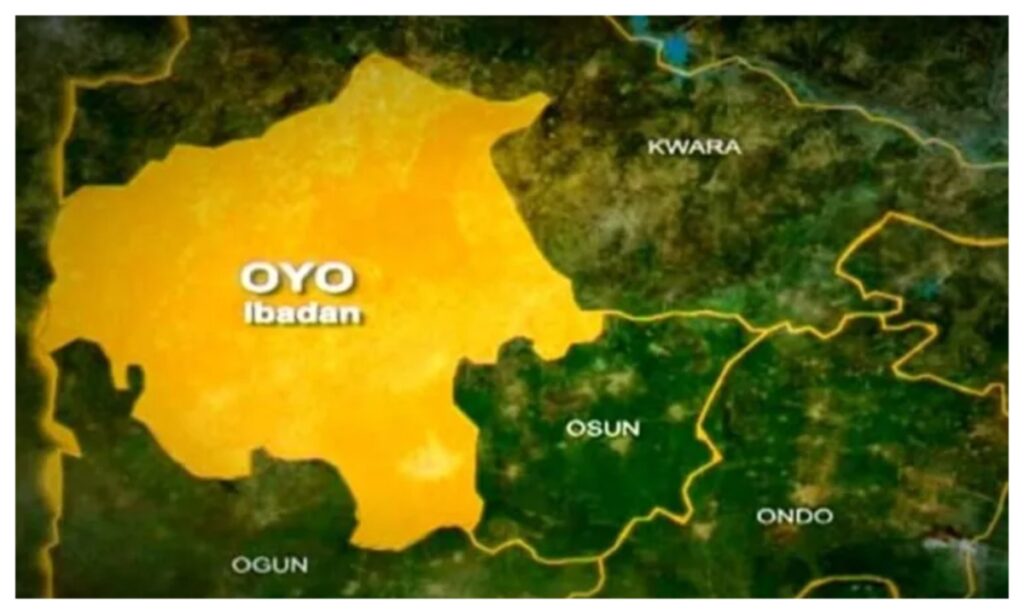
The Islamic Coordination Council (ICC) has called for a Muslim candidate to succeed Governor Seyi Makinde in the 2027 Oyo State governorship election, citing an informal tradition of religious balancing in the state’s top office. The council’s statement, signed by chairman Sulaiman Abanise and secretary Mas’ud Akintola, was issued in response to remarks attributed to the governor during a farewell ceremony for 2026 Hajj pilgrims.
The ICC argued that the practice of alternating religious representation dates back to the 2019 political transition, when the former chairman of the Christian Association of Nigeria (CAN) in Oyo publicly declared that it was the Christians’ turn to hold the governorship after the tenure of former governor Abiola Ajimobi. The council said the governor’s recent comments, which compared the presence of Muslim senators to executive representation, ignored the distinct powers of the governorship and “misled” the public. “We are aware that the governor is sufficiently educated to understand the difference between executive and legislative roles,” the statement read, adding that the governor’s statements “amount to an insult to the intelligence of the citizenry.”
The ICC highlighted that only six of the 18 individuals who have occupied Agodi Government House since 1976 were Muslims, using the statistic to argue that a Muslim governor is overdue. It also referenced Governor Makinde’s 2021 appointment of a Muslim deputy governor following the impeachment of his former deputy, suggesting that religious considerations have previously influenced political appointments in Oyo. Moreover, the ICC claimed that CAN consulted Muslim leaders during Makinde’s re‑election campaign, indicating a history of inter‑religious negotiation in the state’s politics.
Warning of possible political fallout, the ICC said any attempt to disregard religious balancing in the 2027 succession could “carry political consequences,” including the potential strengthening of opposition parties ahead of the election. The statement arrives as Oyo’s political landscape prepares for the 2027 electoral cycle. While the ICC’s demand reflects a broader pattern of informal power‑sharing arrangements in Nigeria’s multi‑religious societies, it also underscores ongoing debates about the role of religion in democratic governance. Observers note that the upcoming election will test whether such informal conventions will influence candidate selection and voter behavior.

Comments are closed for this story.