Indian consumers are showing a marked preference for smartphones that promise long‑term durability, according to a recent market research study that examined purchase drivers, usage patterns and replacement cycles across major Indian cities. The survey, which covered more than 3,000 respondents who own mid‑range to premium devices, found that durability and reliability now rank ahead of camera performance and brand prestige when buyers evaluate a handset.
Respondents indicated that a phone’s ability to withstand everyday wear – such as accidental drops, exposure to dust and moderate water splashes – is a decisive factor. Nearly 68 % said they would be willing to pay up to 15 % more for a device with reinforced build quality, while 54 % reported having replaced a phone earlier than planned because of structural failures. The study also revealed that warranty coverage influences purchase decisions: 42 % of participants favored brands that offer extended or on‑site service options.
The data reflects a broader shift in the Indian mobile market, where the rapid proliferation of budget‑friendly models has previously driven a “replace‑often” culture. As smartphone penetration deepens and devices become central to work, education and digital payments, consumers are increasingly viewing their phones as long‑term assets rather than disposable gadgets. This trend aligns with the rise of “durability‑first” marketing by several manufacturers, who are emphasizing robust frames, Gorilla Glass‑type displays and higher IP ratings in recent product launches.
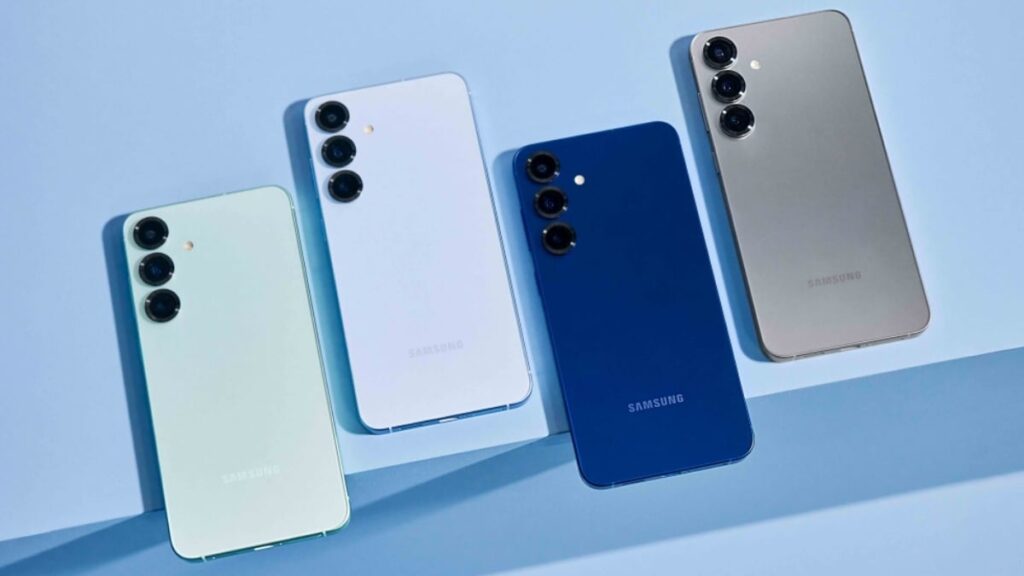
Manufacturers that have traditionally led in build quality, such as Samsung, Apple and Xiaomi, are seeing a resurgence in market share among Indian buyers who cite reliability as a primary consideration. Samsung’s recent flagship, the Galaxy S25 series, showcases an aluminum‑hands‑frame and a tougher ceramic back, while Apple’s iPhone 15 line incorporates a stronger aerospace‑grade aluminum enclosure. Xiaomi’s “Mi” and “Redmi” series have introduced reinforced polycarbonate bodies and splash‑proof designs at price points below 30,000 rupees, catering to cost‑conscious yet durability‑aware shoppers.
Retail analysts note that the durability focus is prompting a modest but measurable premium in average selling prices. The average transaction value for new smartphones in the surveyed segment rose by roughly 6 % compared to the previous year, a gain attributed partly to consumers opting for higher‑priced models with better build specifications. Service centers are also experiencing a shift, reporting fewer screen‑only repairs and a higher incidence of full‑device replacements under warranty, indicating that manufacturers’ durability claims are translating into tangible after‑sales outcomes.
For African markets, the Indian data offers a useful benchmark. As African economies experience similar mobile‑first growth, manufacturers may find it advantageous to position durability alongside other premium attributes when targeting price‑sensitive yet quality‑focused consumers. Emphasising rugged designs, extended warranties and responsive service networks could accelerate adoption in regions where device replacement costs represent a significant financial burden.
The study’s authors recommend that brands invest in transparent durability testing, clearly communicate IP ratings, and consider bundling protective accessories as part of the standard package. As the Indian market continues to prioritize long‑lasting hardware, manufacturers that adapt their product strategies accordingly are likely to secure stronger brand loyalty and sustain growth amidst intensifying competition.