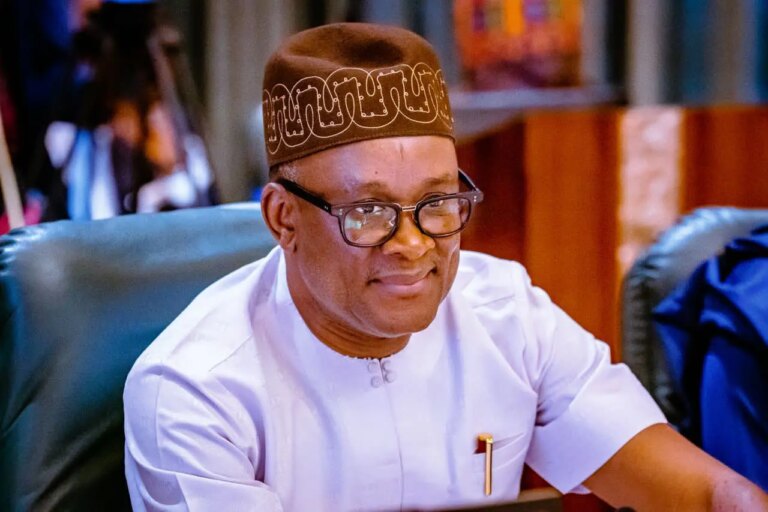
Kalu Aja, a Nigerian financial analyst, has criticised the most significant shortfall in President Bola Ahmed Tinubu’s economic reforms. While he praised the removal of the fuel subsidy and the decision to float the naira against the dollar in 2023, he argues that the government’s failure to provide adequate relief has undermined the intended benefits.
Aja said the reforms were “good” and “expedient” for the country. He highlighted that the elimination of the Premium Motor Spirit (PMS) subsidy and the dollar‑peg removal were necessary steps to curb fiscal deficits and improve foreign exchange stability. However, he warned that the real problem lies in the lack of a safety net for ordinary Nigerians.
“The FGN reforms are good. It was expedient to remove subsidy on Premium Motor Spirit and Dollar. The problem is they removed subsidy then went to sleep, no palliatives, no cushion,” Aja said in a post on his X account. He added that the government “took the decisions and then went to sleep” without offering any compensatory measures.
The policy changes were implemented in May and June 2023, when the federal government scrapped the fuel subsidy and allowed the naira to float freely against the U.S. dollar. Since then, the reforms have produced measurable spill‑over effects on the Nigerian Economy and the daily lives of its citizens.
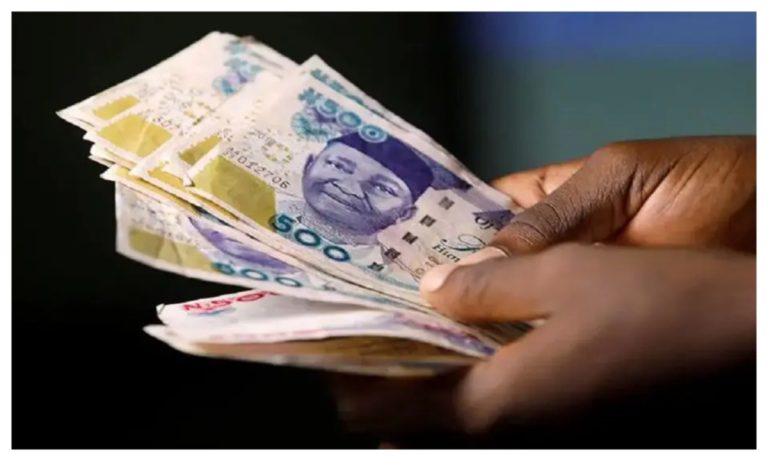
Today, petrol prices range between N1,300 and N1,335 per litre, while the exchange rate sits at about N1,368 per dollar. In May 2023, before the reforms, petrol cost roughly N238 per litre and the dollar Traded at N464. The sharp rise in fuel costs and the depreciation of the naira have strained household budgets and increased import costs for businesses.
The continued impact of these reforms underscores the need for a comprehensive approach that balances fiscal discipline with social protection. Analysts say that without targeted palliatives, the benefits of subsidy removal and currency liberalisation may be offset by rising inflation and reduced consumer purchasing power.
As Nigeria moves forward, the government will need to address the gap between policy intent and on‑the‑ground realities. Future policy adjustments, including potential subsidies or price controls, will likely be scrutinised to ensure that economic reforms translate into tangible improvements for the Nigerian populace.