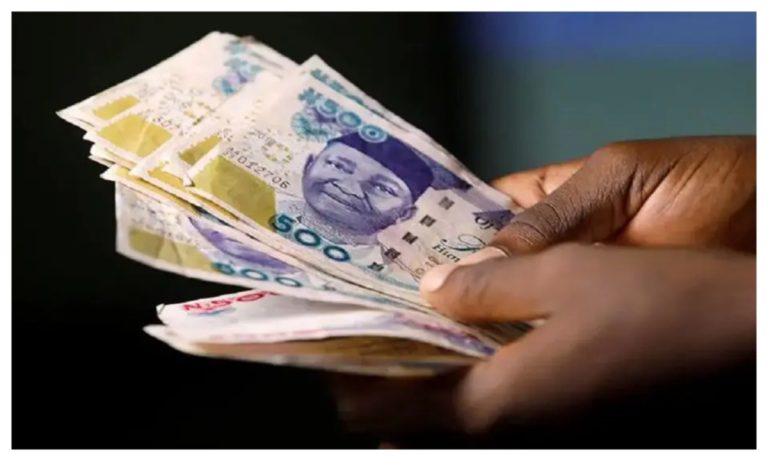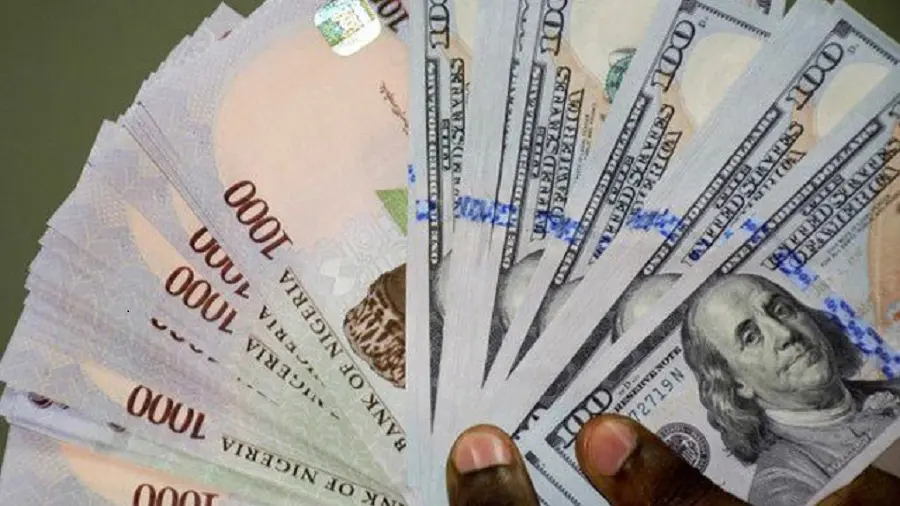
The Nigerian naira slipped for the fifth consecutive day, closing the week at a new low on the official foreign‑exchange market, the Central Bank of Nigeria reported. On Friday, the currency weakened to N1,368.22 per U.S. dollar, down from N1,366.73 on Thursday – a daily depreciation of N1.49.
The parallel, or black‑market, rate mirrored the trend. The naira fell sharply to N1,425 per dollar on Friday, compared with N1,418 the day before. Across the week, the official market saw a cumulative decline of N6.13 per dollar, while the parallel market dropped N15 per dollar, according to the Media Talk Africa.
These movements come as Nigeria’s foreign‑reserve holdings stood at $51.92 billion as of July 30, 2026. The reserve figure provides a backdrop for the currency’s performance, as the central bank’s ability to intervene in the market is tied to the depth of its holdings.
The continued depreciation of the naira has implications for the country’s Trade balance and inflation dynamics. A weaker currency raises the cost of imported goods, which can feed upward pressure on consumer prices. It also affects the cost of servicing foreign‑denominated debt and the competitiveness of Nigerian exports.
The Central Bank’s data indicate that the market is responding to a mix of domestic and external pressures, including global commodity price swings and shifts in foreign‑investment flows. While the bank has not announced new policy measures in response to the recent slide, the sustained decline may prompt further scrutiny of monetary and fiscal policy frameworks.
For businesses and investors, the trend underscores the importance of hedging strategies and careful monitoring of exchange‑rate exposure. The parallel market’s sharper decline suggests that market sentiment is more volatile outside official channels, potentially widening the spread between official and black‑market rates.
As Nigeria navigates these currency fluctuations, the government’s focus on maintaining stable reserves and managing inflation will remain central to its economic agenda. The next few weeks will be critical in determining whether the naira’s downward trajectory continues or stabilises, and how the central bank will adjust its interventions to support the broader Economy.