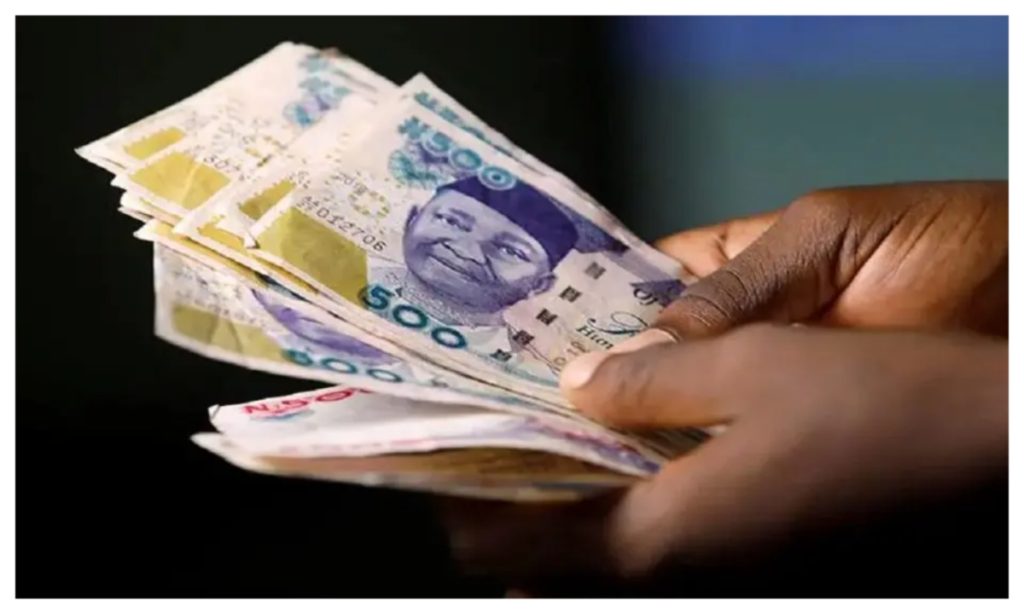
The Nigerian naira slipped further against the U.S. dollar on Wednesday, marking the third straight day of depreciation at the official foreign exchange market. According to data released by the Central Bank of Nigeria, the official rate fell to N1,366.71 per dollar, down from N1,365.53 the day before. The decline of N1.18 per dollar represents a cumulative weakening of the currency over the week’s trading sessions.
At the parallel, or black market, exchange rate the naira also weakened. The unofficial rate rose to N1,415 per dollar on Wednesday, up from N1,410 the previous day. The gap between the official and black market rates widened, reflecting ongoing market pressure on the currency.
The Central Bank’s daily reports are the primary source for official exchange rates in Nigeria, and the figures cited are the most recent available. The bank’s data also noted that the country’s foreign reserves stood at $51.94 billion, a figure that provides context for the broader economic environment in which the currency is trading.
The Media Talk Africa, a local news outlet, reported that the naira has depreciated for three consecutive trading sessions against the dollar at the official market this week. The repeated decline underscores a trend of sustained pressure on the currency, which has been a concern for policymakers and market participants alike.
While the article does not attribute the cause of the depreciation to any specific policy or external shock, the continued weakening of the naira is consistent with broader market dynamics that have affected the currency in recent months. The official rate’s decline and the widening spread to the black market rate suggest that market participants are pricing in further risk or uncertainty.
For readers following the currency market, the latest figures indicate that the naira remains under pressure. The Central Bank’s ongoing monitoring of exchange rates and foreign reserves will be key to understanding any future moves. As the currency continues to adjust, stakeholders will likely watch for any policy signals that could influence the trajectory of the naira in the coming days.