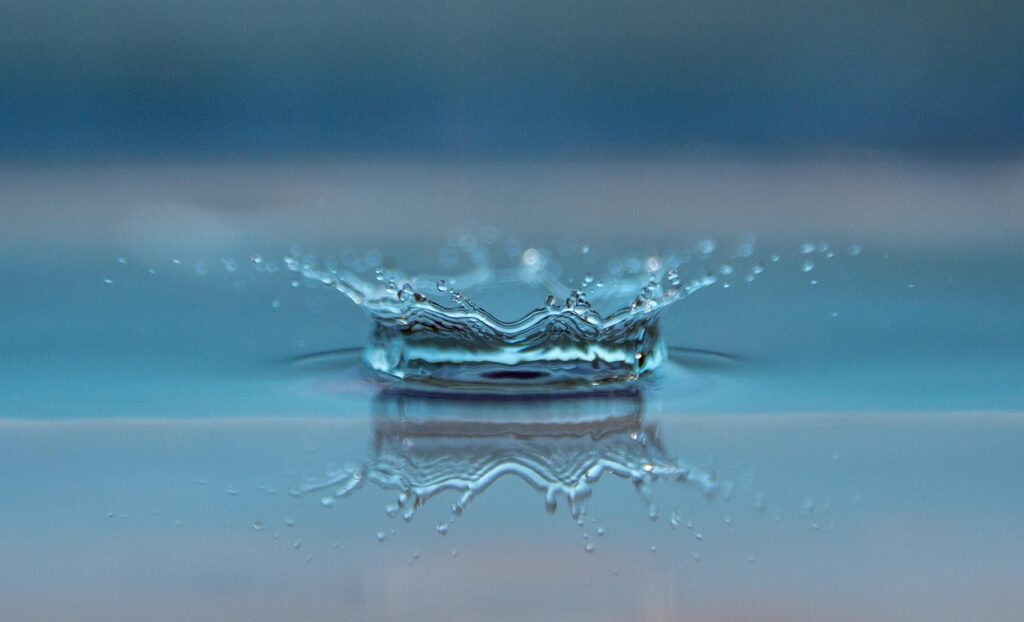
Surfaces are everywhere, yet most of us never stop to think about them. The glass in your window, the metal in your car, even the skin on your hands—each is a boundary where molecules collide, cling, and react in ways that shape the world around you. This is the domain of surface chemistry, a field that sits at the crossroads of physics, chemistry, and materials science, quietly driving everything from the air we purify to the medicines we take.
At the heart of this science lies a simple but powerful idea: adsorption. Imagine a surface as a busy docking station, where passing molecules latch on and form a thin, invisible film. This isn’t just a passive event. It’s the engine behind catalysis, where surfaces act as matchmakers, speeding up or slowing down chemical reactions that would otherwise take ages. The Langmuir equation, a cornerstone of this field, elegantly ties together surface coverage with pressure and temperature, revealing how delicate the balance is between a molecule’s urge to stick and its environment’s push to let go.
But surfaces don’t just catch molecules—they also have a personality. That personality is defined by surface energy, a measure of how much work it takes to create a fresh slice of surface. High-energy surfaces are social butterflies, eager to interact with water and other polar molecules, making them hydrophilic. Low-energy surfaces, by contrast, are aloof and water-repellent. The Young-Laplace equation captures this drama, linking surface energy, the angle at which a droplet rests, and the curvature of that droplet into a single, predictive relationship. It’s why dew beads up on a leaf but spreads across a clean window.
What makes this field truly remarkable is its adaptability. Scientists can re-engineer surfaces at the molecular level, turning a plain material into a specialized tool. One of the most elegant tricks is the creation of self-assembled monolayers, or SAMs—tiny, orderly films that build themselves through weak intermolecular forces. By choosing the right building blocks, researchers can tweak a surface’s wettability, its reactivity, or even its compatibility with living tissue. This is how we get implants that the body accepts, sensors that detect trace chemicals, and coatings that resist corrosion.
Surface chemistry may not grab headlines, but it’s woven into the fabric of modern life. Every time a catalytic converter cleans your car’s exhaust, every time a water filter traps contaminants, every time a medical device works seamlessly inside the body, you’re witnessing this quiet science in action. For researchers, the appeal is endless: every surface is a new frontier, every interaction a puzzle to solve. And with each discovery, we edge closer to materials and technologies once thought impossible. The surface, it turns out, is where the real action begins.