
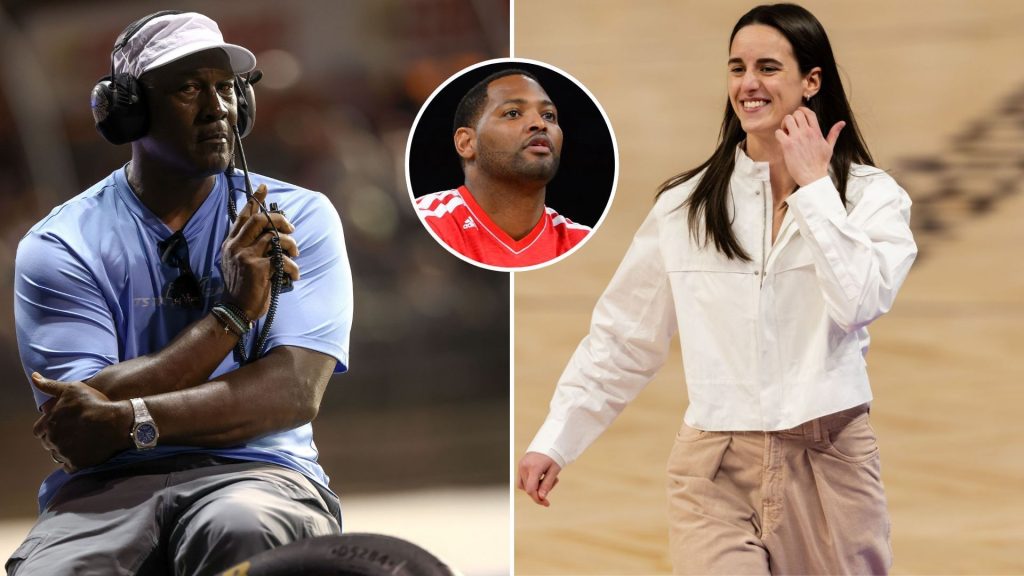
The WNBA faces a potential lockout as the league and the Women’s National Basketball Players Association (WNBPA) have yet to finalize a new collective bargaining agreement (CBA). With the original deadline of October 31 looming, seven‑time NBA champion Robert Horry weighed in on the situation, offering advice to WNBA star Caitlin Clark on how to navigate a possible work stoppage.
Speaking on the “Big Shot Bob” podcast, Horry cited Michael Jordan’s 1992 decision to opt out of the NBPA’s shared licensing agreement in order to retain control over his name, image, and likeness. He suggested that Clark, one of the league’s biggest stars, could consider a similar move to protect her financial interests amid the uncertainty of CBA negotiations. By maintaining control over her image and likeness, Clark could safeguard her earnings even if a lockout occurs.
Horry warned, however, that a lockout could have negative consequences for the league, which has experienced significant growth in recent years. The arrival of stars such as Clark, Angel Reese, and Paige Bueckers has boosted viewership and attendance, and a work stoppage could jeopardize this momentum. He cautioned that fans can be “fickle,” and a lockout might lead to a loss of interest in the WNBA.
The league’s recent strides underscore the challenges professional sports face in balancing owners’ and players’ interests. While the WNBA’s rising popularity creates new opportunities for players like Clark, the league must also ensure a stable financial foundation for its athletes. As the deadline for a new CBA approaches, both the WNBA and the WNBPA must reach an agreement that benefits both parties and avoids a potentially damaging lockout. The outcome of these negotiations will have significant implications for the future of the WNBA and its players.

Comments are closed for this story.