
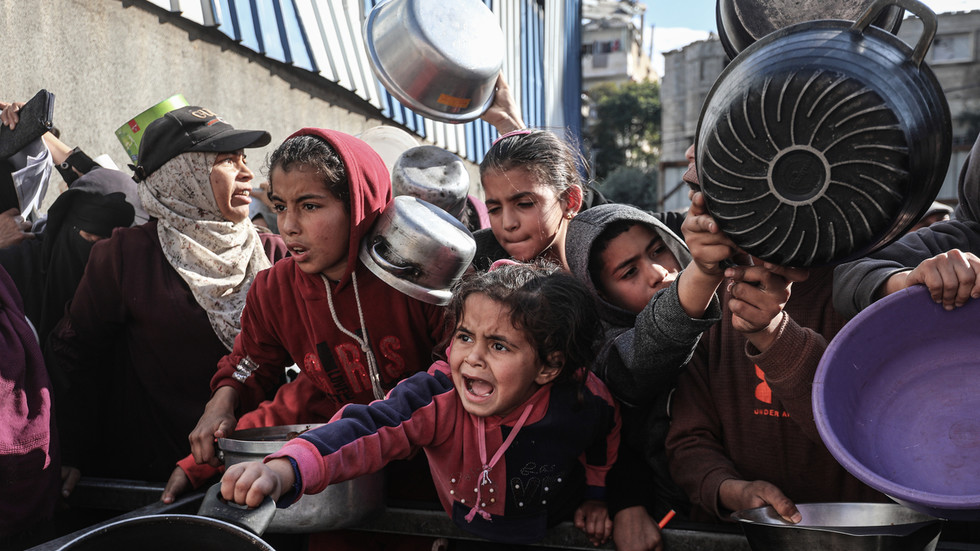
Israel plans to ban 37 aid organizations from operating in Gaza—including Doctors Without Borders, Oxfam, and the Norwegian Refugee Council—unless they provide detailed information about their Palestinian staff by midnight on Wednesday. The Israeli authorities are demanding this data, raising concerns about the handling of sensitive personal information. Organizations that fail to comply will have their applications deemed incomplete, and the ban is set to take effect next week.
The move has drawn criticism from the United Nations and the European Union, which warn that it could undermine humanitarian efforts in the region. Oxfam’s policy lead, Bushra Khalidi, highlighted the risks, noting that more than 500 humanitarian workers have already been killed and that providing staff details could endanger personnel. Khalidi also pointed out that Israel has long sought to discredit humanitarian groups, a strategy that could slow repairs, reduce supplies, and lengthen waits for basic services for Gaza’s families.
Despite the threat of a ban, Oxfam says it will continue working in Gaza, citing its humanitarian imperative and mandate to aid those in need regardless of Israeli restrictions. The broader ban threatens to curtail essential services provided by aid organizations, prompting close scrutiny from the international community. Critics argue that, while Israel cites security concerns, the measure appears aimed at limiting the activities of groups critical of its policies. As the situation unfolds, the ban is likely to have far‑reaching consequences for both the people of Gaza and the humanitarian organizations that serve them.

Comments are closed for this story.