
The Independent National Electoral Commission (INEC) has announced a nationwide verification of the voters’ register after discovering the names of deceased individuals, including prominent politicians, remain on the database. The exercise aims to sanitise the electoral roll ahead of future polls and address concerns over its integrity.
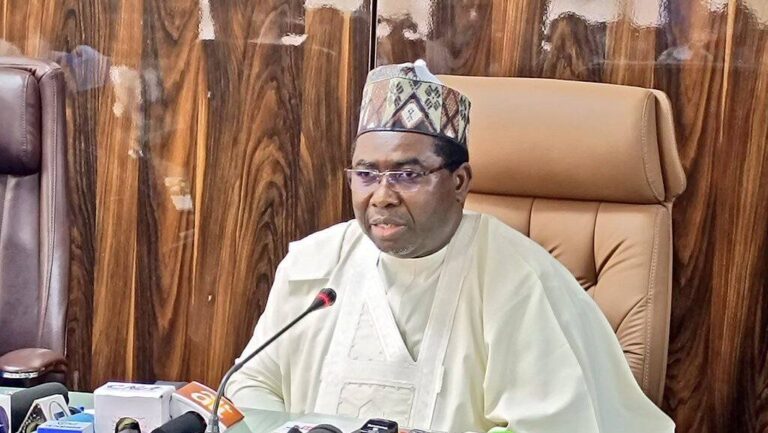
INEC Chairman, Prof. Joash Amupitan, revealed the plan during the Commission’s first quarterly consultative meeting with Civil Society Organisations (CSOs) on Wednesday. The decision follows an analysis of the Anambra State off-cycle governorship election held in November, which highlighted a stark discrepancy between voter registration and actual turnout. Data showed over 2.9 million registered voters in Anambra, yet only approximately 600 cast ballots—a turnout of about 20 per cent.
“When we look at the voters register for Anambra State during the off-cycle elections in November, we discovered that the number of registered voters stood at over 2.9 million, but only about 600 came out to vote,” Amupitan stated. “This is just about 20 per cent of the registered voters. So, we decided to take another look at the register and we discovered names of prominent Nigerian politicians who have died still on the register. That impacts on the integrity of the register and we have to do a clean-up because we don’t expect the dead to come from the grave to vote.”
The Commission stressed that an accurate and up-to-date voters’ register is fundamental to conducting credible elections. The presence of ineligible names, it noted, undermines public confidence in the democratic process. The planned verification will focus on three key areas: removing the records of deceased persons, correcting data errors, and collaborating with relevant government agencies to authenticate voter information.
Amupitan confirmed that the cleanup is part of broader institutional reforms to enhance electoral credibility and ensure that only eligible Nigerians are captured on the voters’ register. The move responds to recurring criticisms about the accuracy of Nigeria’s voter database, which has historically raised questions about the legitimacy of election outcomes.
The nationwide verification exercise represents a critical step by INEC to rebuild trust in the electoral system. By aligning the register with current demographic realities, the Commission aims to prevent the dilution of legitimate votes and strengthen the foundation for future elections. The process will require coordination with agencies such as the National Identity Management Commission and funeral directors to cross-reference death records. Completion of the verification is expected before the next major electoral cycle, reinforcing INEC’s mandate to deliver transparent and inclusive polls.
Comments are closed for this story.