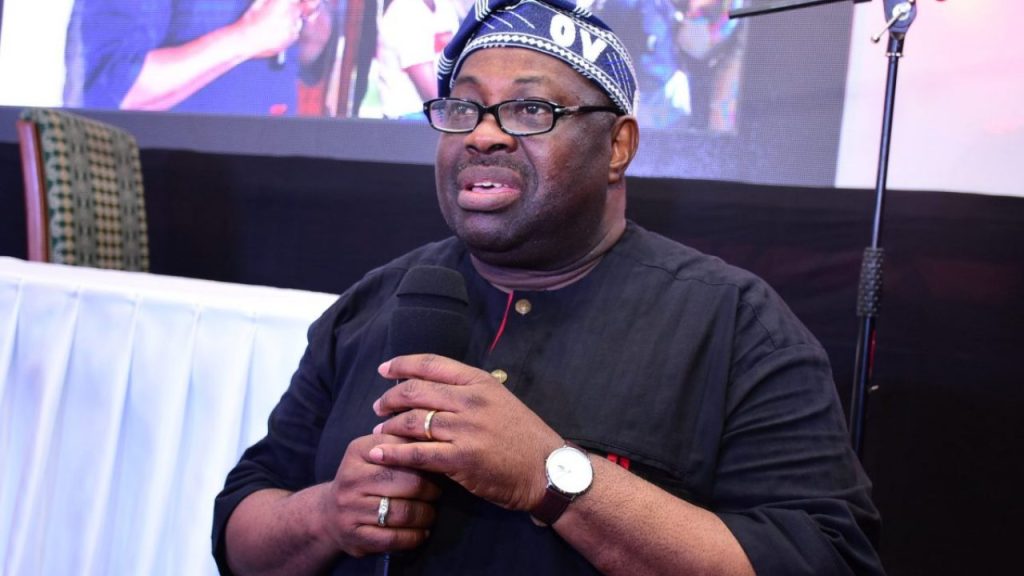
Dele Momodu, a leading figure in the African Democratic Congress (ADC), warned that Nigerian politicians have reduced zoning to a mere ticket‑to‑win the nation’s highest office. Speaking on Arise Television’s “Prime Time” programme, the ADC chieftain said the emphasis on geographic rotation distracts from the pressing issues confronting the country.
Momodu, who also publishes Ovation Magazine, argued that the ruling All Progressives Congress (APC) and President Bola Tinubu recognise the political advantage of the zoning narrative, yet concede that without it the party’s electoral prospects are uncertain. He claimed the focus on zoning diverts public attention away from policies and reforms that could address Nigeria’s economic and security challenges.
“Politicians now treat zoning as the only credential needed to win presidential elections,” Momodu said. “It’s a distraction, and I can say it without fear of contradiction: it is not what we need at this time.”
While acknowledging that supporters of zoning have the right to advocate for their preferences, Momodu stressed that winning an election hinges on strategy, not regional quotas. He called for a shift in public discourse toward substantive governance rather than tokenistic regional balance.
The zoning debate has long shaped Nigeria’s political landscape, with informal agreements to rotate the presidency among the country’s geopolitical zones. Critics argue that the practice can entrench patronage and undermine merit‑based leadership, while proponents contend it promotes national cohesion.
Momodu’s remarks arrive as the ADC prepares for upcoming electoral contests, positioning the party as a critic of both the APC’s reliance on zoning and the broader political establishment’s resistance to issue‑focused campaigning. Observers note that the ADC’s stance could resonate with voters frustrated by perceived political stagnation.
The conversation underscores a broader tension within Nigerian politics: balancing regional representation with demands for performance‑oriented governance. As parties gear up for future elections, how they address—or ignore—the zoning discourse may influence voter sentiment and the country’s democratic trajectory.