
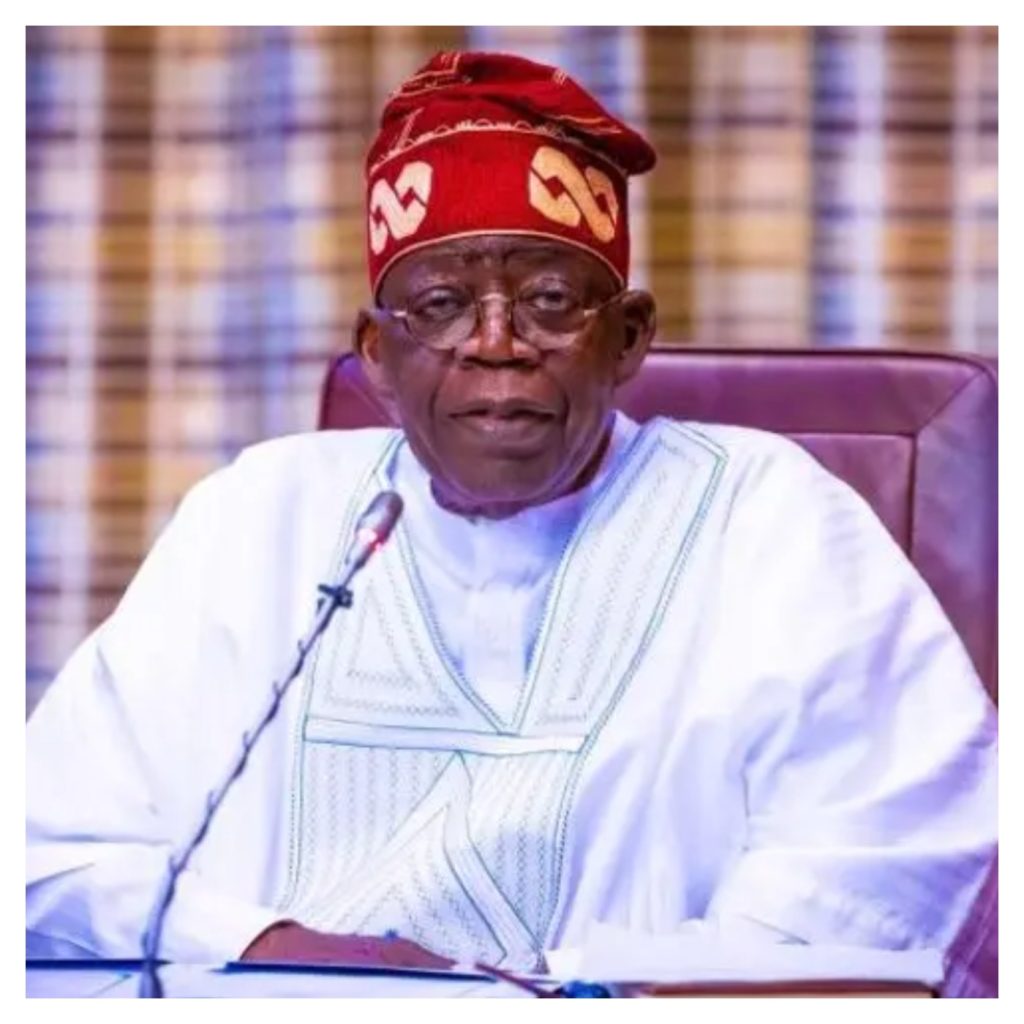
President Bola Ahmed Tinubu has projected that the Nigerian naira will strengthen to N1,000 per US dollar in the coming weeks, citing the impact of recent monetary policy interventions. The announcement comes amid persistent pressure on the currency, which has traded significantly above that benchmark in both official and parallel markets.
Speaking at the Renewed Hope Ambassadors Summit in Abuja on Tuesday, President Tinubu confirmed that the Central Bank of Nigeria (CBN) conducted a dollar mopping-up operation on Monday to curb excess liquidity and support the naira. He suggested that without this intervention, the N1,000 per dollar target would have been achieved sooner. “In fact, if not for the interventions by the Central Bank of Nigeria yesterday, the N1,000 to a dollar, we are going to attain it in weeks, not in months,” the president stated.
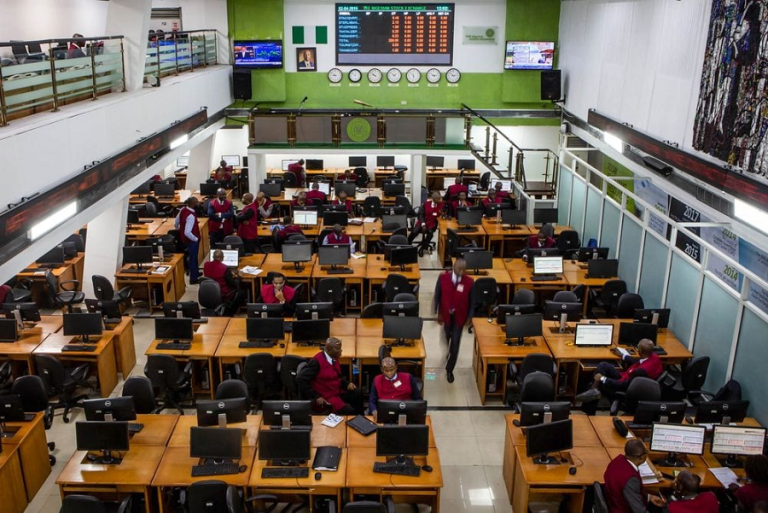
The naira has faced sustained depreciation, with reports indicating it traded at approximately N1,355.37 in the official market and N1,370 in the black market on Tuesday. The wide disparity between regulated and parallel market rates highlights ongoing challenges in foreign exchange availability and confidence. The president’s forecast, therefore, represents a significant shift from current levels and hinges on the continued effectiveness of CBN policies.
Supporting the administration’s optimism, CBN Governor Olayemi Cardoso disclosed on Tuesday that Nigeria’s gross external reserves rose to a 13-year high of $50.45 billion as of February 16, 2026. This increase in foreign reserves is a critical factor in the CBN’s ability to defend the currency and is often cited as a positive indicator for exchange rate stability. The Monetary Policy Committee’s 304th meeting reportedly focused on measures to tighten liquidity and curb speculative demand for foreign currency.
The projection of N1,000 per dollar carries substantial economic and psychological weight. Achieving that level would mark a dramatic appreciation from recent lows and could reduce imported inflation, lowering costs for businesses and consumers. However, analysts note that sustainable currency stability requires a alignment of monetary policy with broader fiscal measures and a steady accretion to reserves. The coming weeks will test whether the current interventions can translate into a sustained appreciation in the official exchange rate, potentially restoring confidence in Nigeria’s foreign exchange market.



Comments are closed for this story.