Nigeria’s Federal Government has announced a sweeping reduction in import duties on a range of goods, including mass transit buses, electric vehicles, and manufacturing machinery, as part of new fiscal measures aimed at easing economic pressure on citizens and businesses.
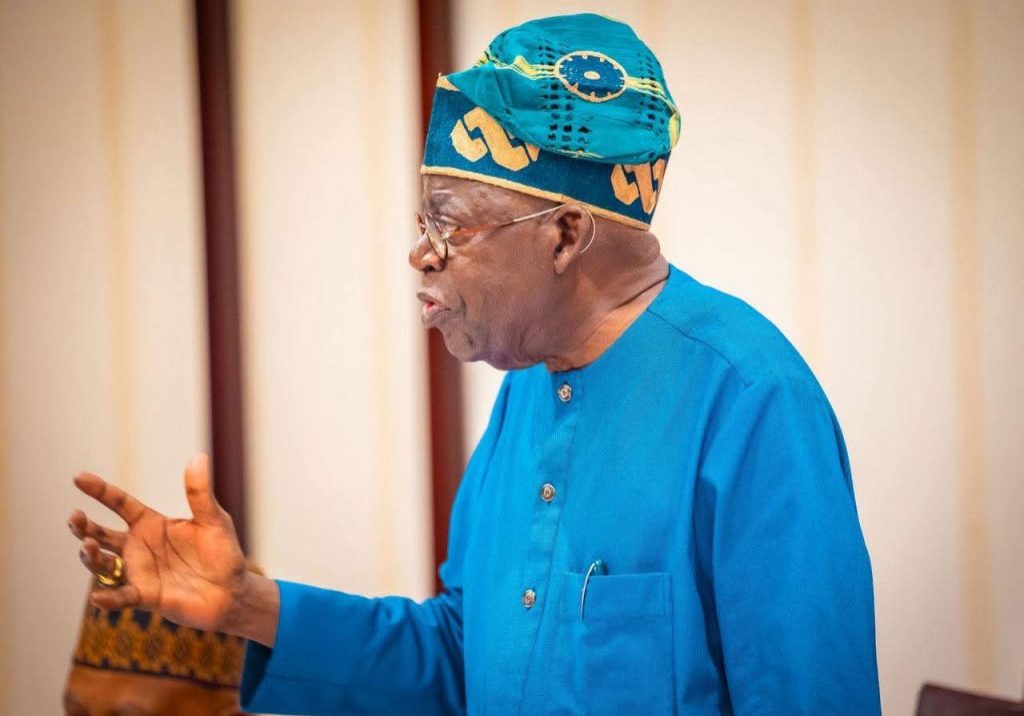
The waiver, revealed by Dada Olusegun, Special Assistant to the President on Social Media, follows President Bola Ahmed Tinubu’s directive to economic officials to design interventions in response to rising fuel prices and the ongoing Middle East crisis. The administration says the policy is intended to lower inflation, support local industries, and improve affordability for consumers.
Under the new framework, import duties on electric vehicles have been cut from 5% to zero, while mass transit buses have also been granted full exemption to promote cleaner, more affordable public transport. Duties on manufacturing machinery have been scrapped entirely to reduce production costs and encourage industrial growth.
Other adjustments include reductions on raw cane sugar (from 70% to 55–57.5%), crude palm oil (from 35% to 28.75%), passenger vehicles (from 70% to 40%), bulk rice (from 70% to 47.5%), and broken rice (from 70% to 30%). Tariffs on steel sheets and coils have been lowered from 45% to 35%, and on glazed ceramic tiles from 55% to 46.25%.
A 90-day transition period, starting April 1, has been introduced to allow markets to adapt gradually and avoid sudden shocks.
The measures come amid heightened global oil price volatility triggered by the Israel–US–Iran conflict, which has disrupted shipping through the Strait of Hormuz, a chokepoint for about 20% of the world’s crude supply. Oil prices surged above $120 a barrel at the conflict’s peak, though they dipped below $95 after a ceasefire announcement in early April. However, renewed tensions, including a US blockade order by President Donald Trump, pushed prices back up, with Brent crude exceeding $102 and West Texas Intermediate reaching $104.16 on April 13.
Nigeria, heavily reliant on fuel imports and vulnerable to global energy price swings, has seen these fluctuations strain household budgets and business operations. The government says the duty waivers are designed to cushion these effects while supporting domestic manufacturing and infrastructure development.