
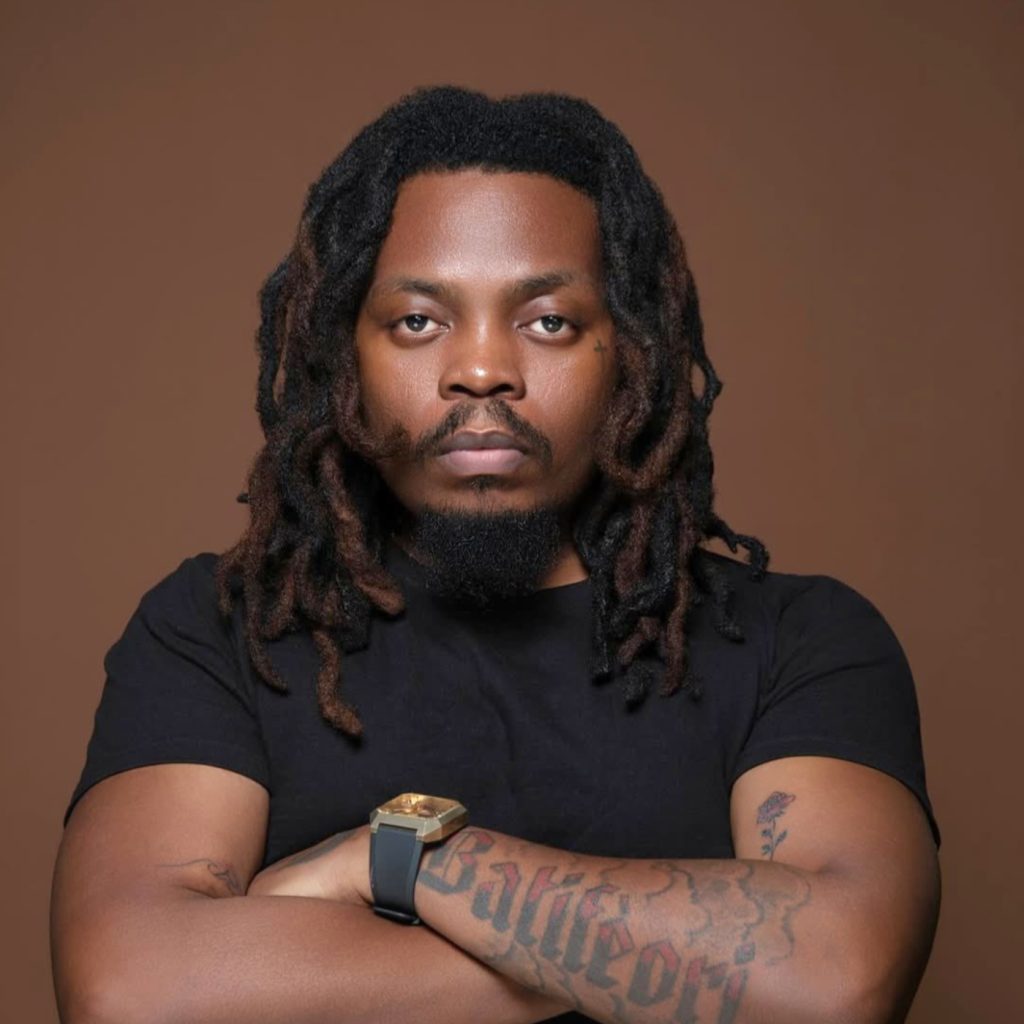
Nigerian rapper Olamide Oladipo, known professionally as Olamide or “Baddo,” disclosed during a recent interview that stage anxiety remains a regular challenge for him. Speaking with YouTube content creator Korty EO, the artist attributed his nervousness to a series of unsettling incidents he has experienced while performing live.
Olamide recounted moments when individuals abruptly approached him on stage, seizing his chain or hat without warning. “I get nervous every time I am going on the stage. I have had too many crazy experiences while performing. Someone from nowhere will just come and grab your chain or your hat, you don’t even know what to expect,” he said. He described these episodes as “scary” and noted that they continue to affect his confidence before future shows.
The rapper’s remarks come amid a broader conversation about performer safety in the Nigerian entertainment industry. Concert venues and event organizers have faced criticism after several high‑profile artists reported similar disruptions, ranging from crowd‑related hazards to unauthorized stage invasions. While security measures have been heightened at major events, Olamide’s comments suggest that gaps remain, particularly in safeguarding artists during spontaneous interactions with the audience.
Olamide, whose career spans over a decade and includes multiple chart‑topping albums and collaborations, has been a prominent figure in Afro‑beat and rap circles. His performances are known for high energy and large, enthusiastic crowds, factors that can both amplify the artist’s connection with fans and increase the risk of unpredictable incidents.
In response to the interview, event promoters in Lagos and other Nigerian cities have reiterated commitments to improving stage security. Statements from several venues indicated that they are reviewing protocols, including stricter access controls for backstage areas and increased deployment of trained personnel during performances. Industry observers note that while these steps aim to mitigate risks, consistent implementation across all event sizes remains a challenge.
Olamide’s disclosure underscores the psychological impact that safety concerns can have on performers. Mental health professionals emphasize that repeated exposure to threatening situations can heighten performance anxiety, potentially affecting an artist’s artistic output and overall well‑being. Advocacy groups within the Nigerian music sector have called for comprehensive support systems, including counseling services and clear reporting mechanisms for artists who experience harassment or violence on stage.
As Olamide continues to tour and release new material, his experience highlights the need for sustained attention to artist protection in live entertainment settings. Ongoing dialogue between musicians, event organizers, and security firms is expected to shape future policies aimed at creating a safer environment for performers and audiences alike.



Comments are closed for this story.