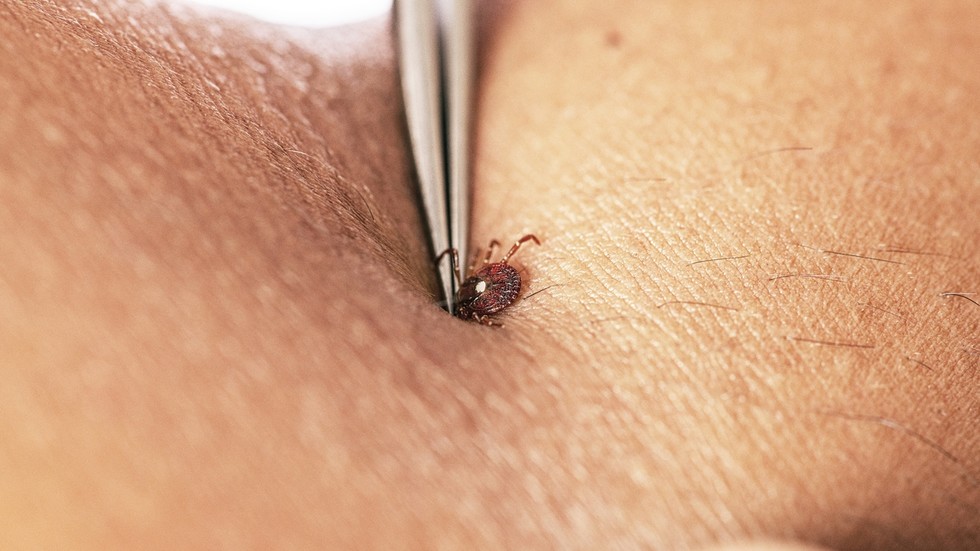
A new tick‑borne illness has been confirmed in New York, raising concerns that the Bourbon virus may be more common than previously thought. The virus, first identified in 2014 in Bourbon County, Kansas, is believed to be transmitted by the lone star tick. No vaccine or specific treatment exists, and the disease can cause fever, fatigue, rash, headache, body aches, nausea and vomiting.
The first confirmed case in New York was reported last month, prompting researchers at Stony Brook Medicine to call for expanded surveillance and testing. The study examined blood samples from 107 patients in Suffolk County who had fever and other symptoms after recent tick bites between 2019 and 2024. Two of those patients had antibodies to Bourbon virus. One, a 67‑year‑old man from Long Island, had been hospitalized in 2021 after a severe bout of symptoms. He was initially treated with doxycycline for suspected Lyme disease, but his fatigue and headaches did not improve. He eventually recovered, and a re‑examination of his blood showed an eightfold rise in Bourbon virus antibody levels over one month, confirming the infection.
“There are a lot of lone star ticks in New York and in the Northeast,” said Dr. Luis Marcos, professor and director of the Tick‑Borne Disease Clinic at Stony Brook Medicine. “When someone is infected with Bourbon virus, the symptoms are similar to those of other tick‑borne infections. For these reasons, the Bourbon virus is likely more prevalent than we think in our region, and other cases are likely going undiagnosed.”
Currently, no commercial diagnostic test is available. Samples suspected of containing Bourbon virus must be sent to the state Department of Health for specialized analysis. The researchers argue that without identifying the cause of an infection, the chances of developing accurate diagnostic tests or effective treatments are minimal.
The lone star tick is a reddish‑brown arachnid that bites aggressively. Adult females are marked by a prominent white dot on their backs, while nymphs and adult females most frequently bite humans. The tick has spread from its original southern United States range to much of the eastern United States, reaching as far north as Maine. In addition to Bourbon virus, it can transmit ehrlichiosis, Heartland virus disease, tularemia, southern tick‑associated rash illness and alpha‑gal syndrome, an allergy to red meat.
With only six human cases reported since the virus’s discovery—primarily in the central United States and one fatal case in Kansas in 2014—public health officials warn that the true prevalence of Bourbon virus may be underestimated. Expanded surveillance, improved diagnostic capacity and heightened awareness among clinicians and the public are essential steps to prevent further spread and to manage potential cases effectively.