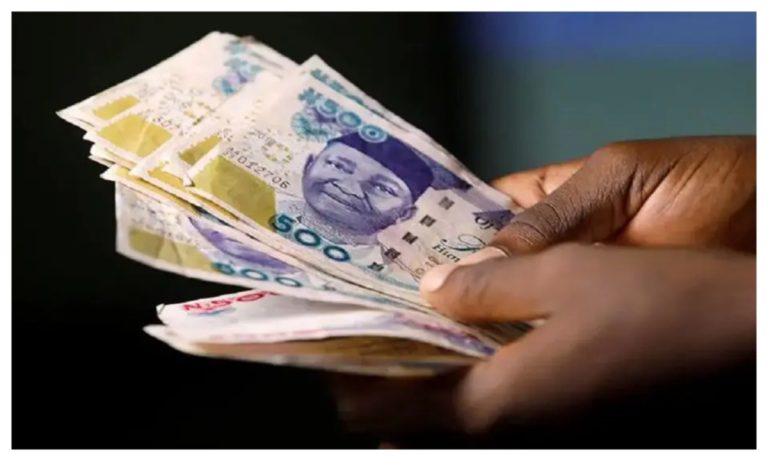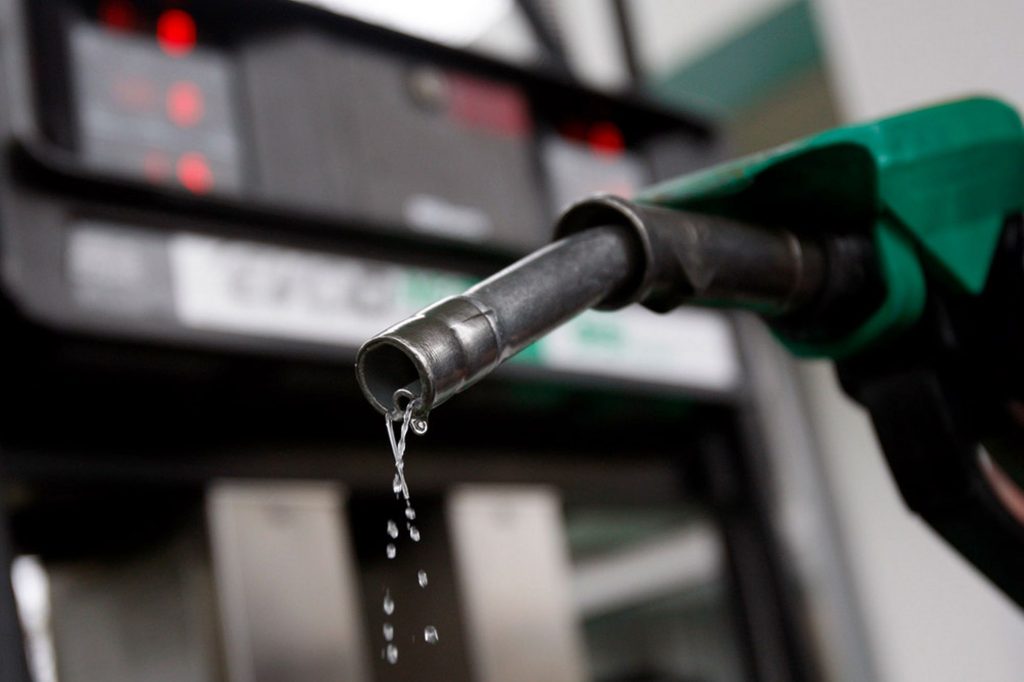
Petrol prices in Abuja have eased after a market survey by DAILY POST revealed that MRS and AA Rano filling stations have cut their pump rates. MRS stations in Kubwa and along the Lugbe Expressway now sell petrol at N1,265 per litre, down from N1,305, a reduction of N40. AA Rano stations have lowered their price to N1,300 per litre, a N30 cut from the previous N1,330.
The price adjustments bring the city’s retail rates to N1,265 and N1,300 per litre, respectively, following almost two weeks of fuel price hikes driven by volatility in crude oil markets. The changes come as Dangote Refinery, which supplies the MRS network, announced a free distribution of its petrol across at least five states, including the Federal Capital Territory, at a gantry price of N1,215 per litre. Over the weekend, Brent and West Texas Intermediate (WTI) crude Traded at roughly $84 and $87 per barrel, respectively, underscoring the global price swings that have reverberated through Nigeria’s fuel sector.
DAILY POST also reported that depot owners at Pinnacle, Emedab, NIPCO and Sigmund are dispensing petrol at rates between N1,217 and N1,222 per litre. These figures suggest a broader trend of price moderation across the capital’s fuel network, likely aimed at cushioning consumers from the recent cost pressures.
The reduction in pump prices is significant for Abuja residents, who have faced rising fuel costs that have strained household budgets and increased transportation expenses. By lowering the retail price, MRS and AA Rano stations are providing immediate relief, while the Dangote Refinery’s free distribution initiative further supports consumers in the region.
Looking ahead, the fuel market will continue to be influenced by global crude prices and domestic policy decisions. Stakeholders will monitor whether the price cuts are sustained and how they affect the broader Economy, particularly in terms of inflation and transport costs. For now, the easing of petrol prices offers a welcome reprieve for commuters and businesses alike, signalling a temporary stabilization in a sector that has been highly volatile in recent weeks.