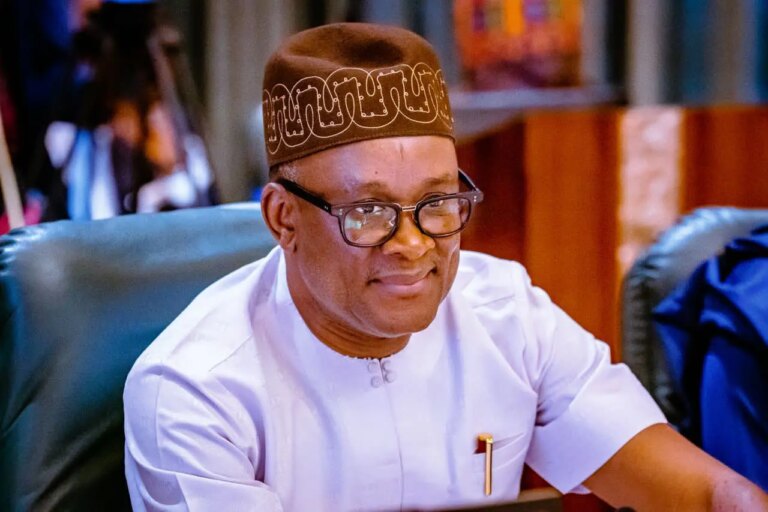
Former Managing Director of the Transmission Company of Nigeria (TCN), Usman Mohammed, explained why the country still struggles with a reliable electricity supply during a recent interview on Oseni Rufai’s Nevon Podcast. He said the persistent power crisis stems from repeated mistakes by successive governments, the appointment of incompetent officials, and widespread corruption.
Mohammed highlighted that the federal government has repeatedly placed “incompetent people in charge of managing the power sector,” a decision he believes has led to ongoing failures. “In Nigeria, we rush to do things without adequate studies. We put incompetent people in charge; that is why we have been failing and continue to fail,” he said. He added that corruption remains a key factor that hampers progress.
The former TCN chief also reflected on the period of President Olusegun Obasanjo’s administration, noting that while the government had good intentions to address the sector’s challenges, its efforts ultimately hit a “brick wall.” He stressed that the power sector’s problems have not been solved because mistakes are repeated and new ones are made.
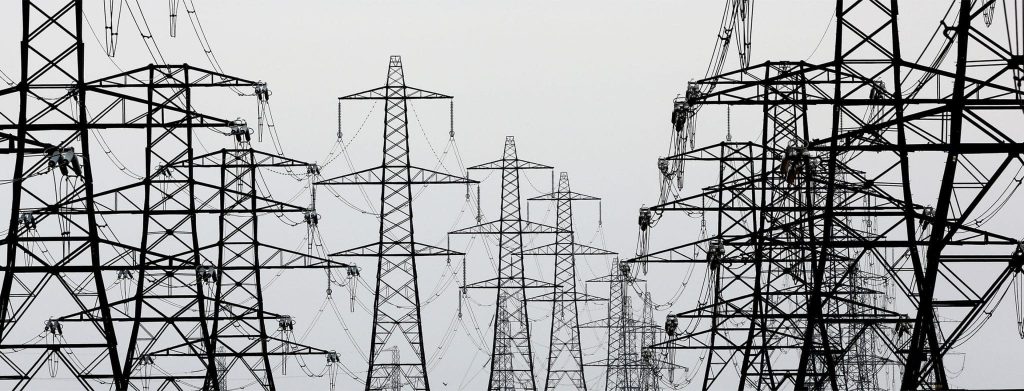
The power crisis has persisted for more than a decade since the sector’s privatization. Nigeria’s electricity generation capacity currently ranges between 3,000 and 6,000 megawatts, a figure that falls far short of the needs of an estimated 250 million people. The gap between supply and demand has led to frequent load shedding and unreliable service across the country.
According to the Media Talk Africa, the sector’s challenges are compounded by a lack of investment, inadequate infrastructure, and regulatory uncertainty. The government’s failure to implement comprehensive reforms has left the industry fragmented and inefficient. Mohammed’s comments underscore the need for a coordinated strategy that addresses governance, transparency, and technical capacity.
The interview on Nevon Podcast also touched on the broader implications of Nigeria’s electricity woes. A stable power supply is essential for economic growth, industrial development, and improving living standards. Without significant reforms, the country risks falling further behind its peers in the region.
In closing, Usman Mohammed called for a renewed commitment from the federal government to rectify past mistakes and to establish a transparent, merit‑based management structure for the power sector. He urged policymakers to conduct thorough studies before implementing new initiatives and to prioritize anti‑corruption measures.
The conversation highlights the urgency of addressing Nigeria’s power sector challenges. As the country seeks to meet the energy needs of its growing population, the lessons from past missteps must inform future policy decisions. The next steps will determine whether Nigeria can finally achieve a reliable and sustainable electricity supply for its citizens.