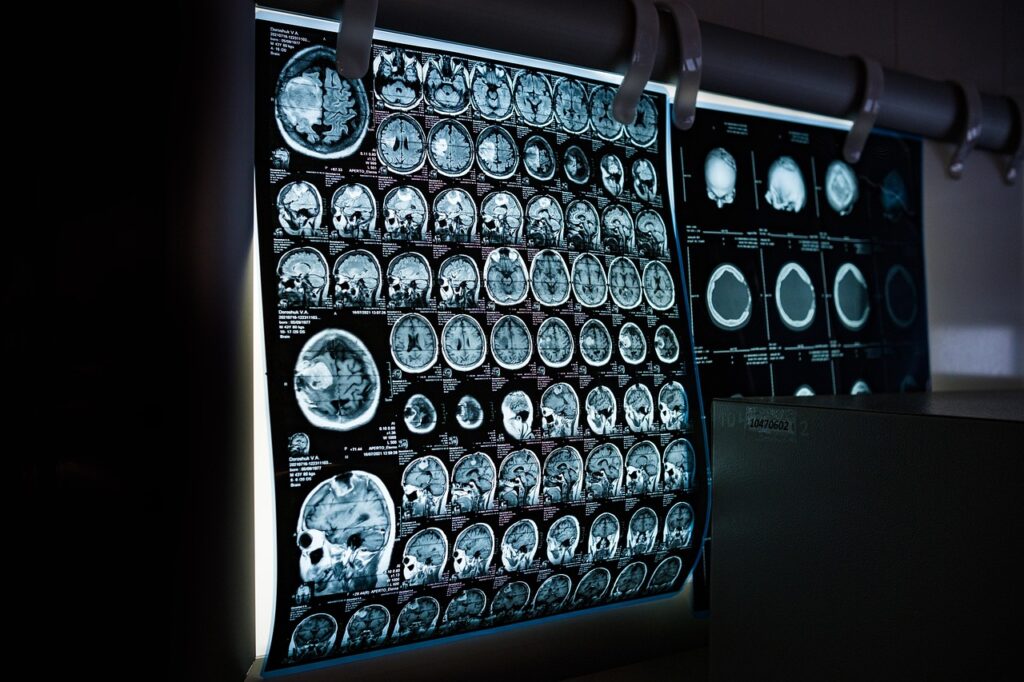
Radiology has quietly become one of the most transformative forces in modern medicine, yet its daily miracles often go unnoticed. It is the art and science of using radiation to both peer inside the human body and, in some cases, treat what is found there. From the first grainy X-ray to the latest AI-assisted scans, this field has turned the invisible into the visible, giving doctors a window into our most private internal landscapes.
The engine behind this revolution is electromagnetic radiation—X-rays, gamma rays, and other high-energy forms of light. These particles are small enough to slip through skin and muscle, yet they interact with denser materials like bone in ways that create striking contrasts. That contrast is the foundation of every CT scan, MRI, PET scan, and ultrasound image. When radiation passes through the body, different tissues absorb it at different rates. Soft tissue, bone, and fluid each leave their own signature, allowing radiologists to tell a healthy organ from a diseased one, a benign growth from a malignant tumor.
This capability has changed the course of cancer care. A single scan can reveal a tumor’s presence, track its growth over time, and show whether a treatment is working—all without a single incision. But radiology is not just about looking. It also acts. Interventional radiologists use imaging to guide tiny instruments through blood vessels, opening blocked arteries, cutting off blood supply to tumors, or burning away abnormal tissue with heat. These procedures often replace what once required major surgery, shortening hospital stays and recovery times dramatically.
The field is now racing forward on two fronts. On one side, new imaging techniques like functional MRI and diffusion tensor imaging allow researchers to watch the brain in action, mapping neural pathways and metabolic activity in real time. On the other, artificial intelligence is stepping into the reading room. Machine learning algorithms can now flag suspicious lesions, prioritize urgent cases, and reduce the noise that sometimes hides critical details. The result is a faster, sharper, and more reliable diagnostic process.
Yet for all its technical complexity, radiology remains deeply human. It is a discipline that blends physics with compassion, data with intuition. Every image tells a story of a patient waiting for answers, a family hoping for good news. The shimmering colors and shadowy forms that fill a radiologist’s screen are not just pixels—they are the geography of a life.
As the technology evolves, so does our understanding of what is possible. The same tools that map a tumor today may one day help us decode the brain’s deepest mysteries or predict disease before it ever takes hold. Radiology has already reshaped medicine once. With every new breakthrough, it reminds us that the most important discoveries often lie just beneath the surface, waiting for someone to look closer.