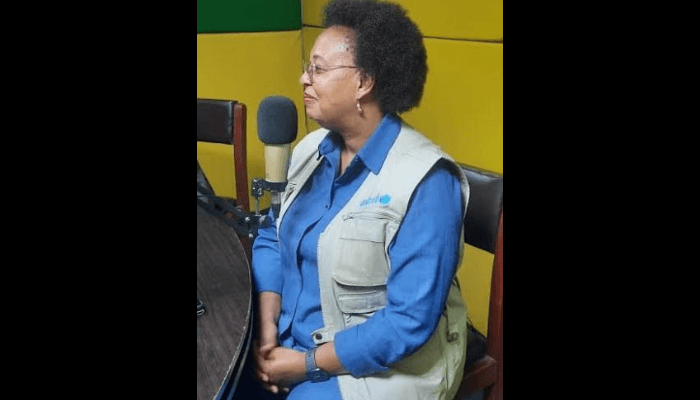
In this interview with REGIS ANUKWUOJI, Juliet Chiluwe, chief of UNICEF Field Office Enugu and Ngozi Onuora, Nutrition Specialist UNICEF Enugu Field office, spoke on World Breastfeeding Week 2026, with the theme: ‘Breastfeeding for a Sustainable Start in Life: Strengthen What Works, the expected role of fathers.’ Excerpts:
Why is World Breastfeeding Week important for Nigeria?
World Breastfeeding Week is opportunity to renew our collective commitment to protecting, promoting and supporting breastfeeding as one of the most effective investments in child survival, Health, nutrition and national development. Although more than 90 percent of Nigerian mothers breastfeed, optimal breastfeeding practices remain below national and global targets. According to the 2023–2024 Nigeria Demographic and Health Survey (NDHS), only 29 percent of infants under six months are exclusively breastfed, while early initiation of breastfeeding within one hour of birth has declined to 36 percent. These figures underscore the urgent need to strengthen proven interventions that support mothers to breastfeed successfully.
What informed the 2026 theme?
The theme, ‘Breastfeeding for a Sustainable Start in Life: Strengthen What Works,’ encourages countries to strengthen existing systems that have already proven effective in increasing breastfeeding rates. This includes early initiation of breastfeeding within one hour after birth, exclusive breastfeeding for the first six months, continued breastfeeding alongside complementary feeding until two years and beyond, baby-friendly hospital initiative, skilled breastfeeding counselling during pregnancy and after delivery, community support groups, family-friendly workplace policies, enforcement of the International Code of Marketing of Breast-milk Substitutes.
Rather than reinventing solutions, the focus is on scaling up evidence-based interventions that improve child survival and nutrition.
Why is breastfeeding described as a sustainable investment?
Breastfeeding is environmentally-friendly, naturally renewable and requires no manufacturing, packaging, transportation or waste disposal. It contributes to sustainable development by improving child survival, Preventing malnutrition, Reducing household spending on infant feeding, lowering healthcare costs, supporting children’s cognitive development and future productivity, reducing environmental pollution associated with breastmilk substitutes, healthy children today become healthier, more productive adults tomorrow.
What are UNICEF’s recommendations?
UNICEF and WHO recommend that babies should begin breastfeeding within the first hour after Birth Babies should receive only breastmilk for the first six months, without water or other foods unless medically indicated. From six months, nutritious complementary foods should be introduced while breastfeeding continues until, at least, two years of age and beyond.
Why are exclusive breastfeeding rates still low in Nigeria?
Several factors contribute to low exclusive breastfeeding rates which includes limited access to skilled breastfeeding counselling, harmful myths and misconceptions, pressure from aggressive marketing of breastmilk substitutes, short maternity leave and inadequate workplace support. Lack of family support, poor early initiation after delivery and improving breastfeeding require supportive families, health systems, employers and communities.
UNICEF has been in Nigeria for many years now. Kindly share your areas of focus?
UNICEF supports the Federal and State Governments to Strengthen Infant and Young Child Feeding (IYCF) services. Train healthcare workers in breastfeeding counselling, support baby-friendly health facilities, improve maternal, newborn and child health services, strengthen community-based nutrition programmes. UNICEF also support behaviour and social change communication, advocates for improved maternity protection and workplace breastfeeding policies. We also promote implementation of the International Code of Marketing of Breast-milk substitutes.
These interventions are helping mothers receive the information and support they need to breastfeed successfully.
May we know some of the activities of UNICEF in the South-East?
Across the South-East, UNICEF works with State Ministries of Health, Primary Health Care Development Agencies and development partners to build the capacity of health workers on Maternal, Infant and Young Child Nutrition, integrate breastfeeding counselling into routine maternal and child health services, support community mobilisation through traditional, religious and community leaders.
Engage youth, including U-Reporters and Young Content Creators, to amplify positive breastfeeding messages.
Strengthen social and behaviour change communication through mass media, digital platforms and community engagement and Improve nutrition services at primary healthcare facilities.
These efforts contribute to improving child survival and nutrition across the region.
What role should fathers play in child breastfeeding?
Breastfeeding is everyone’s responsibility. Fathers should support mothers by encouraging exclusive breastfeeding, helping with household responsibilities. Ensuring mothers receive adequate nutrition and rest, accompanying mothers to health facilities, protecting mothers from misinformation, among others. Evidence shows that mothers are more likely to breastfeed successfully when supported by their families.
What are the expectations from employers?
UNICEF encourages employers to create breastfeeding-friendly workplaces by providing paid maternity leave, breastfeeding breaks, safe lactation rooms, and flexible working arrangements where possible. There should be workplace policies that protect breastfeeding mothers. Supporting breastfeeding benefits employees, employers and society.
What is UNICEF’s advice regarding infant formula?
Breastfeeding remains the best source of nutrition for almost every baby. Infant formula should only be used when medically indicated and under the guidance of qualified health professionals. Parents should receive unbiased information that enables informed decisions without commercial influence.
What are your expectations from the media?
The media are essential partners in improving child nutrition. We expect that journalists should promote accurate breastfeeding information, challenge myths and misinformation, showcase success stories, hold institutions accountable and give voice to mothers and communities. They are also expected to encourage supportive public policies. Responsible reporting contributes directly to healthier children.
What is UNICEF’s key messages during World Breast feeding Week 2026?
UNICEF is calling on governments, health professionals, employers, communities, development partners and families to strengthen what works by investing in proven breastfeeding interventions today. Nigeria can reduce child deaths, improve nutrition, strengthen human capital and give every child a sustainable start in life. Breastfeeding is not only a mother’s responsibility it is a shared responsibility and one of Nigeria’s smartest investments in the future of its children.