
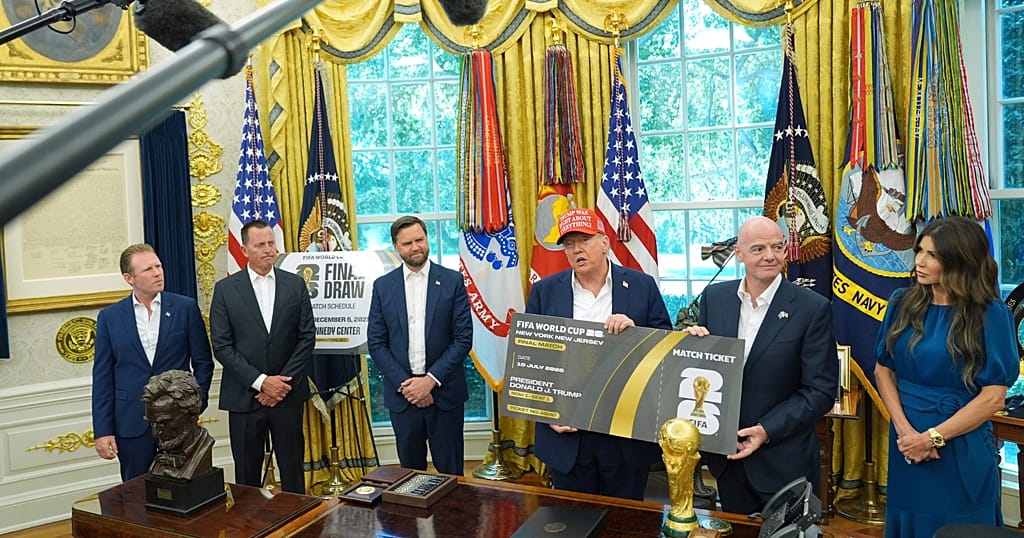
Human‑rights experts are warning that immigrant communities, foreign visitors and journalists could face threats ahead of the 2026 FIFA World Cup in North America. The tournament, scheduled for June 11 – July 19, will feature 104 games across 16 venues in the United States, Mexico and Canada. It will be the first World Cup hosted by three countries, with 78 matches in 11 NFL stadiums in the U.S. and 13 matches each in Mexico and Canada. The final will take place at MetLife Stadium in East Rutherford, New Jersey, which will also host a halftime show for the first time.
Human‑rights organisations—including the American Civil Liberties Union (ACLU), the NAACP, Amnesty International and Reporters Without Borders—have voiced concerns about the safety of vulnerable groups such as migrant workers, immigrants and journalists. Jamil Dakwar, director of the ACLU’s Human Rights Program, warned that “without action today, FIFA risks becoming a stage for authoritarianism.” Dakwar and other officials have sent a letter to FIFA president Gianni Infantino outlining these worries, but have not yet received a response. They are urging FIFA to adopt concrete measures to protect human rights, ensure journalists’ safety and prevent the arrest of migrant workers and immigrants.
Press freedom is a particular focus. Clayton Weimers, executive director of Reporters Without Borders USA, stressed that journalists must be able to cover the tournament without fear of reprisal, noting that “people all around the world who are not able to come are going to rely on journalists to tell a complete and contextualized story of this tournament.” While FIFA has published guidelines intended to prevent discrimination, trafficking and to protect workers’ rights, advocates remain skeptical. They point to the organization’s record on human‑rights issues in previous events, especially the 2022 World Cup in Qatar, where migrant workers endured harsh conditions and exploitation.
With the 2026 World Cup only months away, human‑rights experts are urging FIFA to take decisive action to address these concerns and to ensure that the tournament is a success for all participants.
Comments are closed for this story.