
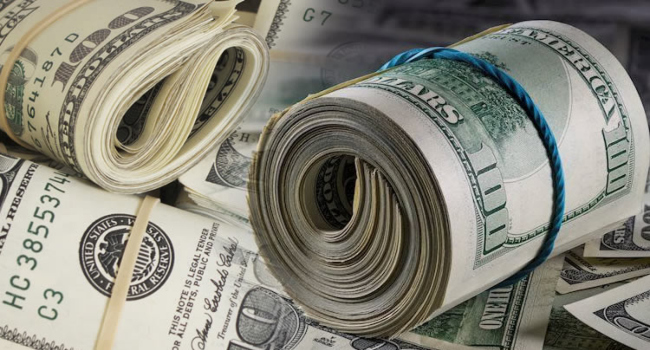
Venezuela has closed out a tumultuous year for its economy, marked by a sharp surge in the cost of buying US dollars. Over the past 12 months the official exchange rate has risen by 479%, and the central bank set the rate at 301.37 bolivars per US dollar on Wednesday. This drastic increase underscores the country’s ongoing struggles with hyperinflation and a shortage of hard currency.
The gap between the official and black‑market rates has also widened dramatically, now approaching 100%. The black‑market rate, largely determined by crypto exchange platforms, stands at around 560 bolivars per US dollar—an 85% premium over the official rate. Economists estimate that roughly 80% of Venezuela’s currency exchanges occur on these platforms.
Despite President Nicolás Maduro’s projection of 9% economic growth in 2025, the country has experienced a sharp decline, characterized by soaring inflation and a scarcity of hard currency. The United States has intensified pressure on Maduro’s government, imposing stiff sanctions and seizing “sanctioned oil vessels” traveling to and from Venezuela. The U.S. oil embargo, in place since 2019, has forced Venezuela to sell most of its oil on the black market at discounted prices.
Private firms expect inflation to exceed 500% in 2025, although official data have not been released since October 2024. The country’s growing reliance on dollarization has become a coping mechanism for hyperinflation. As the situation unfolds, the widening gap between official and black‑market exchange rates is likely to exacerbate Venezuela’s financial struggles. The government’s next steps will be crucial in addressing the crisis and mitigating its impact on the population.


Comments are closed for this story.