
Washington and Tehran have exchanged fire in the Strait of Hormuz, each side accusing the other of violating a cease‑fire that has been in place since the end of 2023. The United States military announced a series of strikes on Iranian targets near the strategic waterway on Saturday, saying the attacks were carried out in self‑defence. According to U.S. Central Command, the operations hit Iranian launch sites, command‑and‑control facilities and surveillance nodes that were allegedly preparing to strike U.S. warships operating in the area.
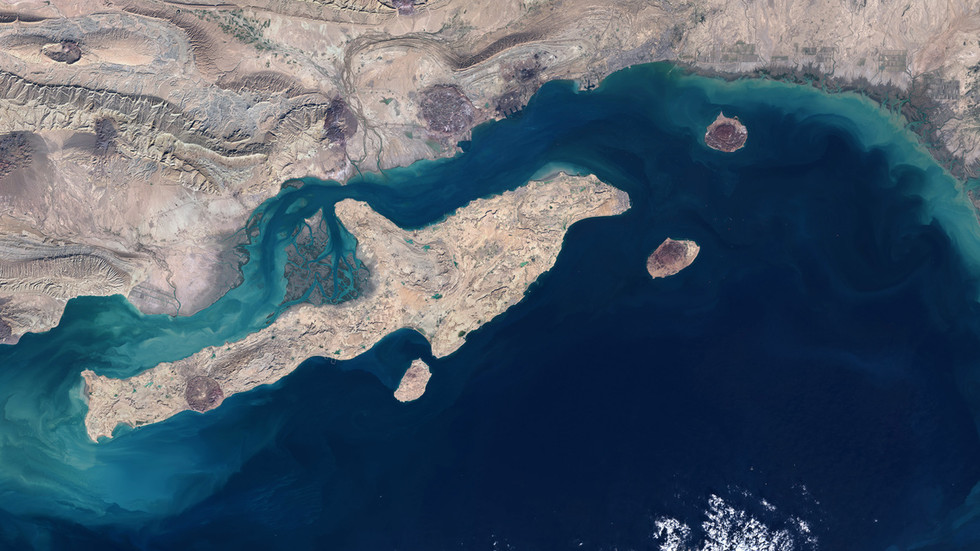
The Department of Defense also reported that Iranian missiles, drones and small‑boat attacks were directed at the destroyer USS Truxtun, the amphibious transport dock USS Rafael Peralta and the littoral combat ship USS Mason—vessels that are part of a multinational naval presence enforcing a blockade of Iranian ports. Iran’s Islamic Revolutionary Guard Corps (IRGC) Navy rejected the U.S. account, claiming that the United States breached the cease‑fire first by attacking an oil tanker inside Iranian territorial waters and by coordinating with “regional partners” to strike civilian areas on the coasts of Bandar Khamir, Sirik and Qeshm Island. The IRGC said three U.S. warships withdrew from the Strait after suffering “significant damage,” a claim that both CENTCOM and the White House denied.
President Donald Trump downplayed the U.S. strikes, describing them as a “love tap” and warning that further Iranian provocations would be met with “a lot harder, and a lot more violently” action unless Tehran agrees to a settlement quickly. In a televised statement he added, “I’ll let you know when there’s no cease‑fire… You’re just going to have to look at one big glow coming out of Iran.”
The escalation follows a recent shift in regional military posture. Saudi Arabia and Kuwait have reportedly lifted earlier restrictions on U.S. access to their bases and airspace, which had limited the U.S. “Project Freedom” escort operation in the Hormuz corridor. A senior U.S. official told a media outlet that American forces also struck Iran’s Qeshm port, Bandar Abbas and the Bandar Kargan naval checkpoint in Minab. Iranian state media broadcast footage of flashes over Tehran after the Iranian air‑defence system was reportedly activated to counter “hostile targets” in the capital’s western sector.
No casualties were confirmed on either side, and both governments have called for a diplomatic resolution while maintaining a heightened military alert. The incident raises concerns about the stability of a critical oil‑transit route that handles roughly a fifth of global petroleum shipments. International observers are watching closely for any further escalation that could disrupt shipping, affect energy markets and draw additional regional powers into the conflict. Diplomatic channels remain open, but the risk of miscalculation remains high as both Washington and Tehran continue to trade accusations of cease‑fire violations.

Comments are closed for this story.