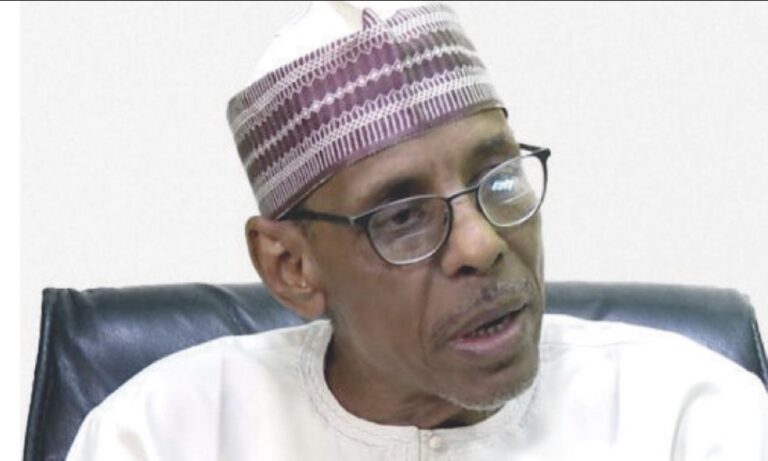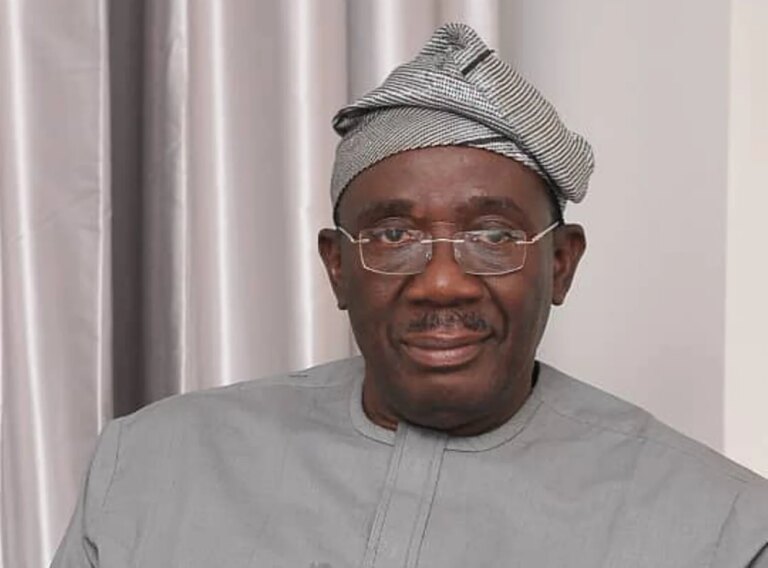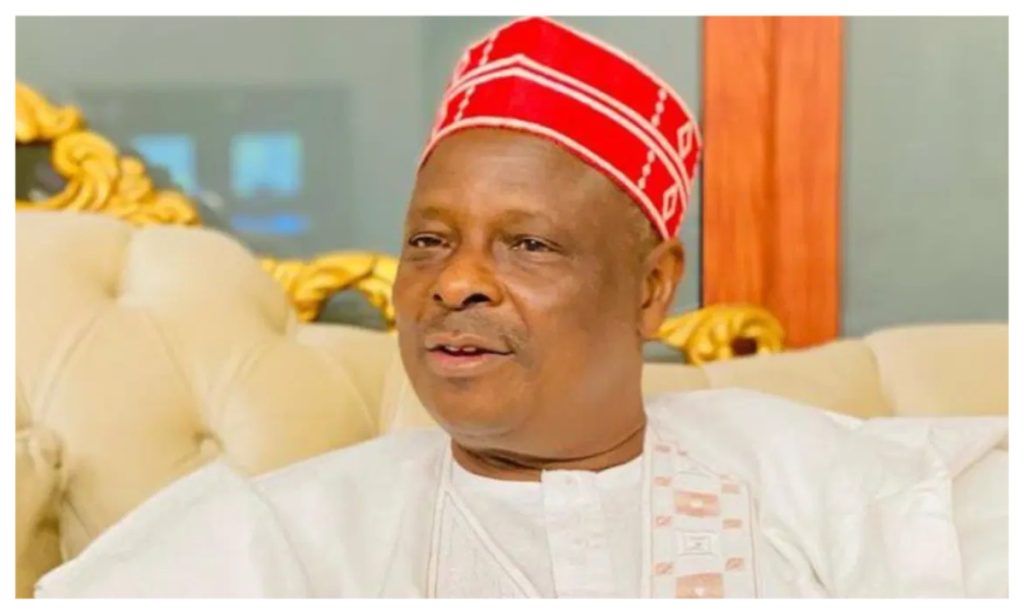
Former NNPP publicity chief Ladipo Johnson stated on Monday that former presidential aspirant Rabi’u Kwankwaso is prioritizing national unity over personal ambition amid a wave of defections that has reshaped Nigeria’s opposition landscape. In an interview with Arise Television, Johnson, who served as the National Publicity Secretary for the New Nigerian Peoples Party, addressed the recent shift of two prominent opposition figures to the Nigerian Democratic Congress (NDC). This political realignment also included the departures of former Labour Party presidential candidate Peter Obi and Kwankwaso himself from the African Democratic Congress (ADC), intensifying speculation ahead of the 2027 general elections.
Johnson remarked, “Those dissatisfied with the current state of affairs have alternatives from the South, and within our own party we have Peter Obi.” He emphasized that Kwankwaso’s decision to join the NDC reflects his belief that preserving Nigeria’s unity is more important than personal ambition. Johnson expressed his expectation that Kwankwaso would support Obi as they embark on this new political journey together. Kwankwaso, a former governor of Kano State and a long-time figure in northern politics, formally announced his departure from the ADC earlier this week, citing ideological differences and a desire to contribute to broader national cohesion.
Kwankwaso’s move aligns with Obi’s earlier switch to the NDC, which positions itself as a centrist platform aimed at attracting disenchanted voters from across the political spectrum. These defections occur at a time when the opposition is recalibrating in preparation for the upcoming electoral cycle. Analysts suggest that the NDC’s expanding roster could alter the balance of power, potentially consolidating anti-incumbent sentiment under a single banner. However, the shifting loyalties also raise questions about the durability of these new alliances and their potential to form a viable third-force challenge to the ruling party.
Johnson’s comments highlight the internal dynamics of the NNPP, which has been actively courting former ADC members while striving to maintain its own relevance. By underscoring Kwankwaso’s focus on national unity, Johnson indicates a willingness to collaborate with other opposition groups without compromising the NNPP’s distinct identity. As the 2027 elections approach, the political landscape remains fluid. The NDC’s ability to harness the support of high-profile defectors like Kwankwaso and Obi will be closely monitored, while parties such as the NNPP will need to articulate clear policy positions to retain their constituencies. These developments illustrate a broader trend of realignment among Nigeria’s opposition, suggesting that the coming years may witness a redefined contest for power, with national unity emerging as a central theme among new coalitions.