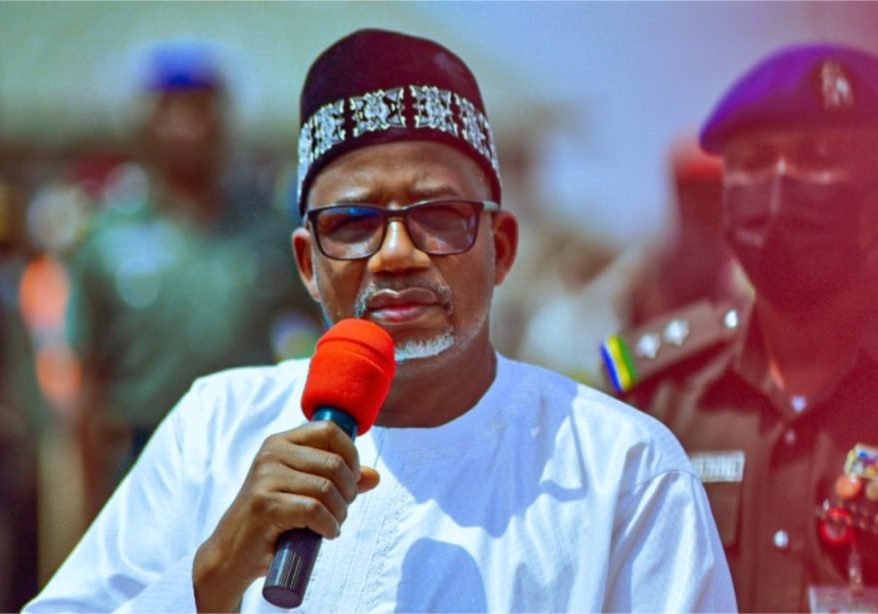
aduna State Governor Uba Sani has commissioned a 35-kilometre asphalt road linking Gadan Gayan in Igabi Local Government Area to Kujama Junction in Chikun, a project officials deem a significant boost to regional connectivity and economic activity.
The road, which traverses Gwaraji, includes a 130-metre, nine-span bridge across the River Kaduna. It connects communities across Igabi, Kajuru, and Chikun local government areas, serving an estimated 76 rural and urban farming communities. The Managing Director of the Kaduna Roads Agency (KADRA), Abdullahi Baba-Ahmad, described the project as a landmark achievement, highlighting its role in enhancing rural-urban mobility and access to markets.
Speaking at the commissioning, Baba-Ahmad commended the governor’s administration, stating the project reflects a commitment to delivering democratic dividends. He noted that the current administration has completed over 1,300 kilometres of roads across the state, a cumulative effort aimed at easing travel, stimulating commerce, and improving productivity.
Governor Sani expressed quiet pride in the completion, calling the infrastructure more than just a road but a designed “lifeline” for the region. He emphasized its strategic importance as the longest road constructed in Kaduna State in over two decades. The governor explained it provides a critical alternative route expected to ease congestion around Kaduna metropolis, strengthen interconnectivity between the state’s three senatorial zones, and reduce travel time and transportation costs.
“This project unlocks economic opportunities, enhances security, and improves quality of life by expanding access to markets, healthcare, education, and emergency services,” Governor Sani said. He added that the road restores efficiency, safety, and dignity to daily movement for thousands of residents.
The development is viewed as a major step in Kaduna State’s broader infrastructure push, targeting agricultural communities and regional trade corridors. Its completion is expected to facilitate the transport of produce, support local businesses, and integrate underserved areas into the state’s economic grid.