
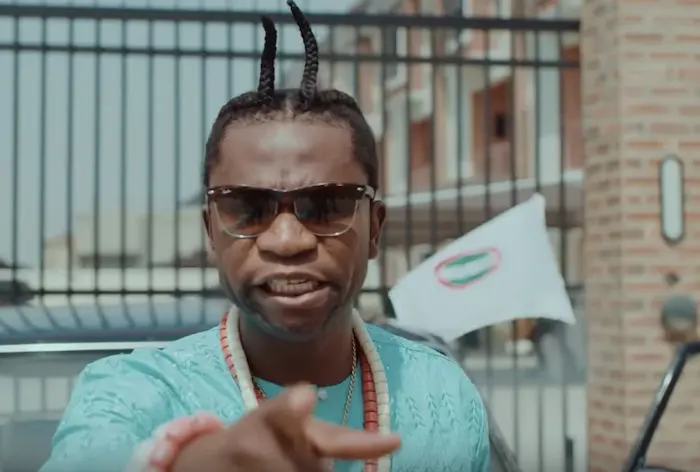
Nigerian singer Speed Darlington has joined a chorus of critics questioning President Bola Tinubu’s bid for a second term, citing the country’s deteriorating economy and escalating insecurity. The Lagos‑based artist posted a video on his Instagram account on Wednesday, in which he accused the administration of policy failures, structural missteps and economic miscalculations since Tinubu assumed office in May 2023.
In the four‑minute clip, Darlington warned that a second Tinubu term would be “hell fire” for Nigerians. He argued that the president’s first actions—most notably the removal of fuel subsidies—had “inflated fuel prices” and deepened hardship for ordinary citizens. “You are breaking your neck to become the next President of Nigeria, but you are not qualified to be President again,” the singer said. “From your first term, we already know that your second term is going to be hell fire.”
Darlington’s criticism focused on three main areas. First, he highlighted the government’s decision to end petroleum subsidies, a move he said ignored the fact that “everything about Nigerian life is attached to petroleum.” He contended that the policy shift gave oil sector interests “thousands of reasons to inflate fuel price,” exacerbating public discontent. Second, the singer questioned Tinubu’s competence, stating, “You’re not qualified again, you don’t know the job.” Finally, he pointed to the surge in insecurity across the nation, suggesting that the administration had done “nothing about the rising insecurity” and therefore lacked the mandate to continue.
The video quickly garnered attention on social media, with users sharing the clip and echoing concerns about the nation’s economic outlook and security challenges. While Darlington’s remarks reflect a broader sentiment among some Nigerians, they also illustrate how cultural figures are increasingly using their platforms to comment on political developments.
President Tinubu has not publicly responded to the singer’s statements. However, his administration has defended the subsidy removal as a necessary step toward fiscal reform and has pledged to address security deficits through increased funding for the armed forces and police.
The episode underscores the growing intersection of entertainment and politics in Nigeria, where musicians, actors and other public personalities often voice public grievances. As Nigeria approaches the 2027 general election, criticism from high‑profile figures like Speed Darlington may influence public discourse and add pressure on the incumbent government to demonstrate tangible progress on economic stability and national security.
![Iyabo Ojo once entrusted her children in my custody - Baba Ijesha [VIDEO]](https://mediatalkafrica.com/wp-content/uploads/2026/03/Baba-Iyesha-Iyabo-Ojo-Entrusted-Kids-Denies-Pedophilia.png)