
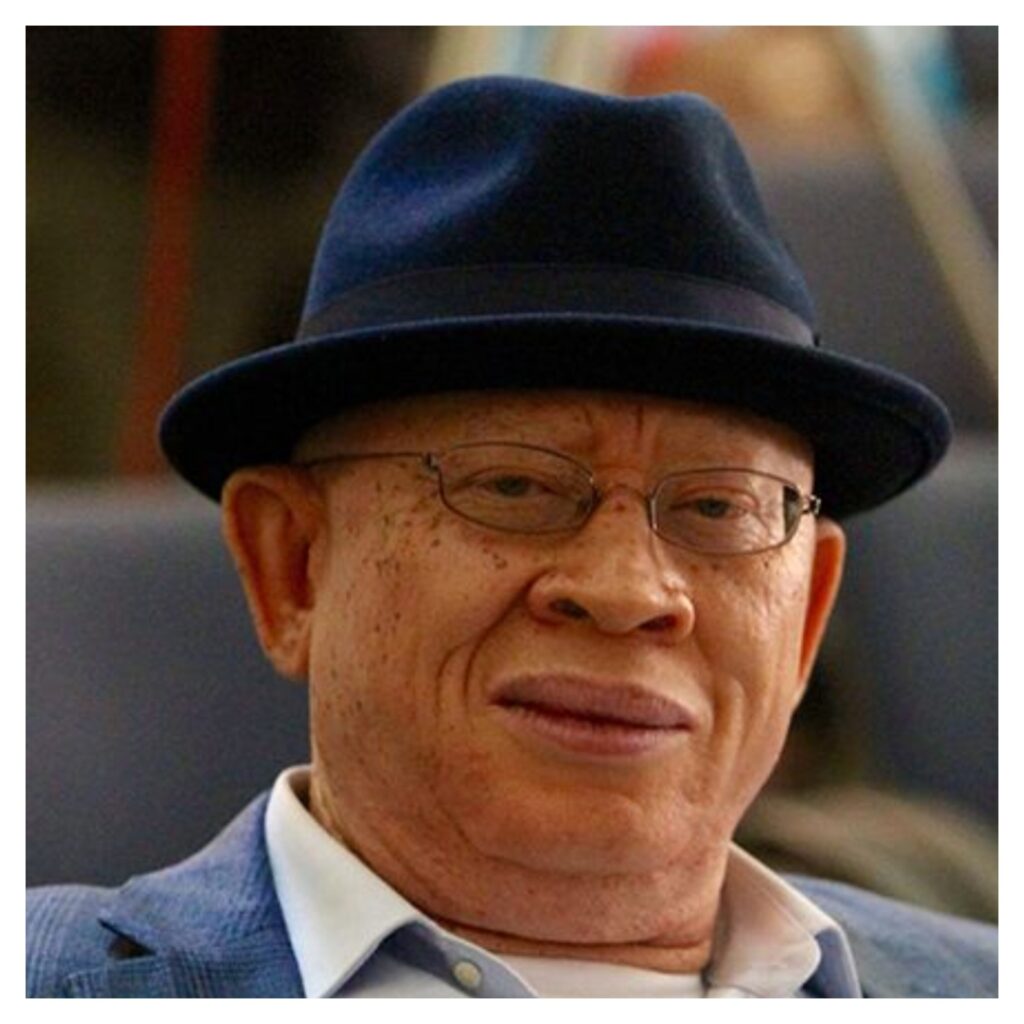
Vote trading has become an entrenched feature of Nigeria’s democratic process, according to Jake Epelle, founder of The Albino Foundation (TAF) Africa. Speaking during a televised interview on Arise Television, Epelle warned that financial inducements now determine political leadership across the country, describing the trend as a national disgrace.
Epelle characterized the practice as a commercial transaction between buyers and sellers, where the highest bidder routinely secures victory at polling units. He expressed little optimism that the pattern would change, noting that security personnel often observe the exchanges without intervention.
“Money has become a determining factor for who leads us, and that is very shameful,” Epelle said. “Usually the highest bidder wins at each polling unit. What is concerning and hopeless to me is that security operatives are watching these individuals, sometimes looking the other way, and not doing anything.”
The disability rights advocate’s remarks underscore a broader crisis of electoral integrity in Africa’s most populous democracy. Vote buying, long documented by observer groups and anti-corruption agencies, has evolved from isolated incidents into a systemic expectation during election cycles. Political parties and candidates routinely allocate budgets for voter inducement, undermining the principle of free and fair choice.
Civil society organizations have repeatedly called for stricter enforcement of electoral laws that criminalize vote buying, including provisions in the Electoral Act 2022. However, prosecution remains rare. The Economic and Financial Crimes Commission (EFCC) and the Independent National Electoral Commission (INEC) have both acknowledged the scale of the problem, yet arrests on election day seldom lead to convictions.
Analysts argue that the persistence of vote trading reflects deeper structural issues: widespread poverty, weak institutions, and a political culture that rewards patronage over performance. When voters Trade ballots for immediate survival needs, the social contract between citizens and the state erodes further.
Epelle’s intervention adds to mounting pressure on electoral authorities and law enforcement to move beyond rhetoric. The credibility of Nigeria’s democracy, both domestically and internationally, hinges on the ability to conduct Elections where outcomes reflect the will of the people, not the weight of wallets.
As the country approaches future electoral cycles, the challenge remains translating legal frameworks into enforceable deterrents. Until security agents act decisively and judicial consequences follow, the market for votes will continue to flourish, and the cost of democratic compromise will be borne by generations of Nigerians.

![Osun election: Voters turn out early, wait for INEC officials [Video]](https://mediatalkafrica.com/wp-content/uploads/2026/08/Osun-voters-queue-early-for-governorship-election-as-INEC-materials-768x576.jpg)