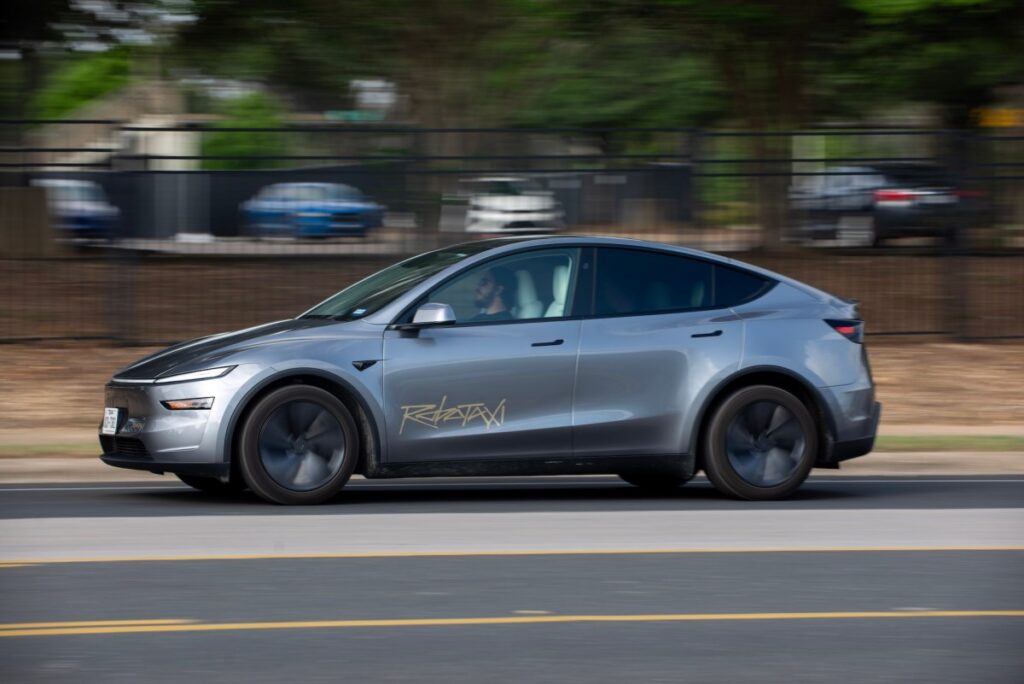
Tesla’s remote‑driven Robotaxis have been involved in two low‑speed crashes in Austin, Texas, since the company launched its limited‑beta service in July 2025. Both incidents occurred while a safety monitor was seated in the vehicle and no passengers were aboard.
The first crash happened shortly after the network’s debut when the automated driving system (ADS) stalled on a city street. The safety monitor asked for assistance, and a remote operator took control, gradually increasing speed and steering the car left. The vehicle then left the roadway, climbed a curb and struck a metal fence.
In January 2026 a similar sequence unfolded. The ADS had stopped on a street and the safety monitor requested remote help. The teleoperator resumed control, accelerated to about nine miles per hour and drove the car into a temporary construction barricade, damaging the front‑left fender and tire.
The incidents are part of a broader set of 17 crashes that Tesla has now disclosed to the National Highway Traffic Safety Administration (NHTSA). Until this week the company had redacted narrative details, citing confidential business information. The newly released data provides a full description of each event, showing that most collisions involved the Robotaxis being struck by other objects rather than causing crashes themselves.
Among the disclosed incidents, two involved the vehicles clipping mirrors on other cars. In September 2025 a Robotaxi could not avoid a dog that ran into the street; the animal escaped unharmed. In a separate September 2025 incident the vehicle made an unprotected left turn into a parking lot and hit a metal chain, a type of collision that NHTSA recently closed an investigation into for Tesla’s Full Self‑Driving software.
Tesla’s approach to remote assistance has drawn attention. The company told U.S. lawmakers that it permits a teleoperator to pilot a vehicle at speeds below 10 mph to reposition a car that is stuck or in a potentially hazardous position, reducing reliance on first responders or field staff. This capability is now linked to the two documented crashes, both of which occurred at speeds well under that threshold.
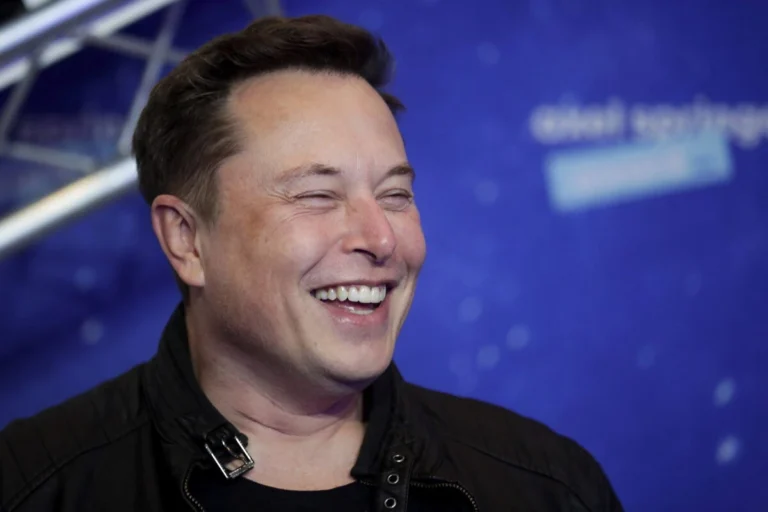
Industry peers such as Waymo and Zoox have reported higher absolute numbers of accidents, but they also operate far larger fleets. Tesla’s cautious rollout—still limited to a handful of vehicles in Austin—reflects concerns about safety. CEO Elon Musk recently acknowledged that ensuring “complete safety” is the primary constraint on expanding the service.
The newly unredacted crash reports provide regulators and the public with clearer insight into the performance of Tesla’s nascent autonomous ride‑hailing network. As the company continues to refine its ADS and remote‑operation protocols, the data will likely influence the pace at which the Robotaxi service can be scaled, both in the United States and in emerging markets where autonomous mobility is being closely watched.