ABU‑BILAL AL‑MINUKI, A TERRORIST COMMANDER, CONFIRMED KILLED IN NIGERIA‑US JOINT OPERATION
Abuja – The Nigerian Defence Headquarters (DHQ) confirmed on Saturday that senior terrorist commander Abu‑Bilal Al‑Minuki was killed in a joint operation with United States Africa Command (AFRICOM) on 16 May 2026. In a statement released by Director of Defence Information Maj‑Gen Samaila Uba, the defence ministry said the individual’s identity has been conclusively verified through human intelligence and technical surveillance, dispelling earlier media speculation that the strike might have involved a different militant bearing the same name.
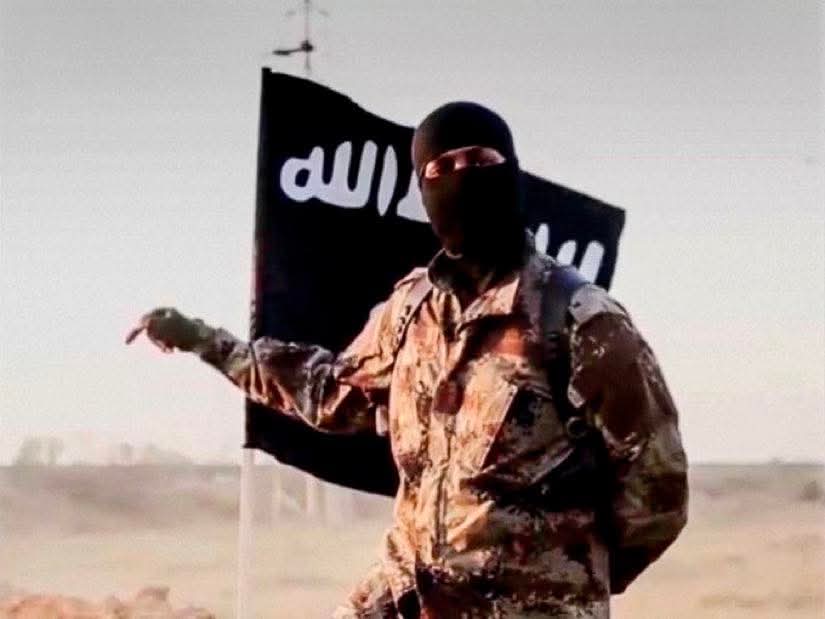
Maj‑Gen Uba explained that the recurrence of identical noms de guerre is a common tactic among fighters of the Islamic State West Africa Province (ISWAP) and Boko Haram, who frequently adopt aliases to obscure their true identities. “There is no ambiguity regarding the identity of the individual neutralised in the recent operation,” he said, adding that the commander was a senior operative within the global Islamic State network with direct links to international terrorist financing and coordination across the Sahel region.
The operation, the first of its kind coordinated directly between the Armed Forces of Nigeria (AFN) and the United States, marks a significant milestone in the ongoing counter‑terrorism campaign in Nigeria’s north‑eastern and north‑western states. Nigerian officials noted that Al‑Minuki’s removal will disrupt planning and logistical support for ISWAP and Boko Haram cells that have been responsible for a surge in attacks on civilians, security forces and critical infrastructure in recent years.
In a bid to prevent misinformation, the DHQ urged journalists and the public to rely on official statements rather than unverified reports that have previously conflated the 2026 operation with a similar 2024 raid that targeted a different individual with an identical alias. “The use of the same name does not imply the same person,” the statement read. “We are committed to providing clear, accurate information to avoid confusion.”
The defence ministry reaffirmed its dedication to dismantling terrorist networks and maintaining pressure on insurgent groups throughout the region. It highlighted ongoing cooperation with international partners, including intelligence sharing and joint training exercises, as essential components of Nigeria’s broader security strategy.
While the exact impact on ISWAP’s command structure remains to be fully assessed, analysts predict the loss of a senior coordinator could hinder the group’s ability to orchestrate cross‑border attacks and fund‑raising activities. The Nigerian government has signalled that further joint operations with AFRICOM and other allies are planned as part of a sustained effort to stabilise the Sahel and protect civilian populations.
The DHQ will continue to update the public as more information becomes available and as additional steps are taken to neutralise remaining threats in the region.