
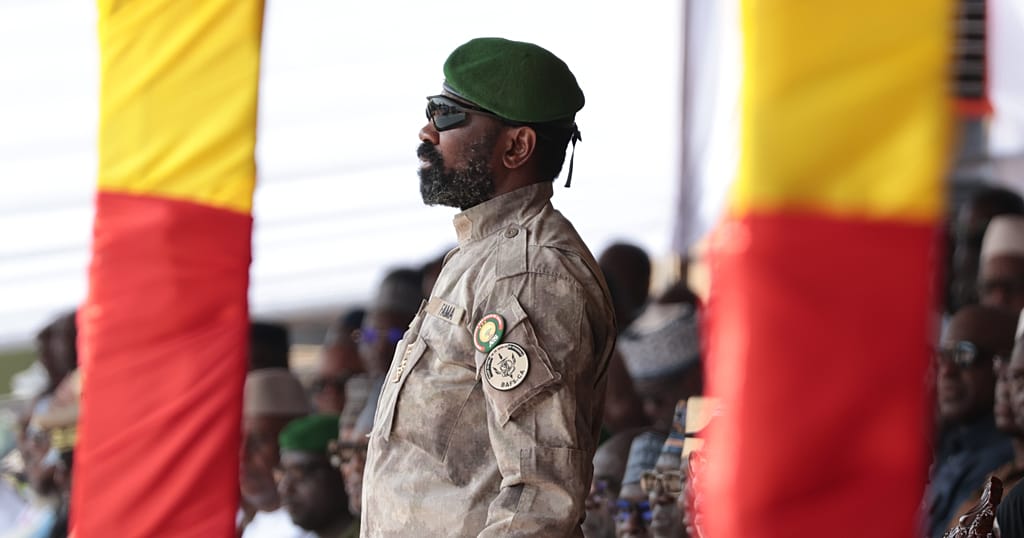
Mali’s junta leader Assimi Goïta has taken on the additional portfolio of defence minister following the death of his predecessor in a series of coordinated attacks that have intensified the country’s security crisis. The appointment was announced in a presidential decree read on state broadcaster ORTM on Monday, with General Oumar Diarra named as minister‑delegate to the defence ministry.
The decree comes after Defence Minister Sadio Camara was killed by a car bomb at his Bamako residence on 26 April, an incident that marked the deadliest assault on the junta in nearly 15 years. The attack, claimed by a coalition of Tuareg separatists and al‑Qaida‑linked militants, also saw the capture of Kidal, a strategic town in northern Mali, and resulted in at least 23 fatalities, including civilians and children, according to UNICEF.
The militants involved were members of the Group for the Support of Islam and Muslims (JNIM), the Sahel‑wide al‑Qaida affiliate, and the Azawad Liberation Front (FLA), a Tuareg separatist movement. Their coordinated offensive targeted multiple junta sites and Russian mercenary forces operating in the region, underscoring the growing complexity of Mali’s insurgency.
In response to the violence, the attackers threatened a blockade of Bamako, citing “the population’s support of the army.” AFP reporters in the capital note that the blockade has achieved only limited disruption. A highway patrol officer described the militants’ tactics as “harassment” and likened the situation to a “cat‑and‑mouse” game, while a transport manager on the Bamako‑Sikasso route announced a temporary suspension of departures to the capital. Travelers from Segou reported unease but no major incidents along the main routes, with some opting for detours to avoid suspected hotspots.
Goïta’s consolidation of the defence portfolio signals an attempt to centralise command amid the escalating threat. General Diarra, who previously served as chief of staff of the armed forces, will assist in overseeing defence operations and coordinating with both national forces and foreign contractors.
The developments highlight the fragility of Mali’s security environment as the junta confronts a multi‑front insurgency that threatens both governance and civilian safety. International observers and regional partners are likely to monitor the junta’s next steps closely, particularly regarding the integration of military leadership, the response to the ongoing blockade threats, and the broader implications for stability in the Sahel.



Comments are closed for this story.